
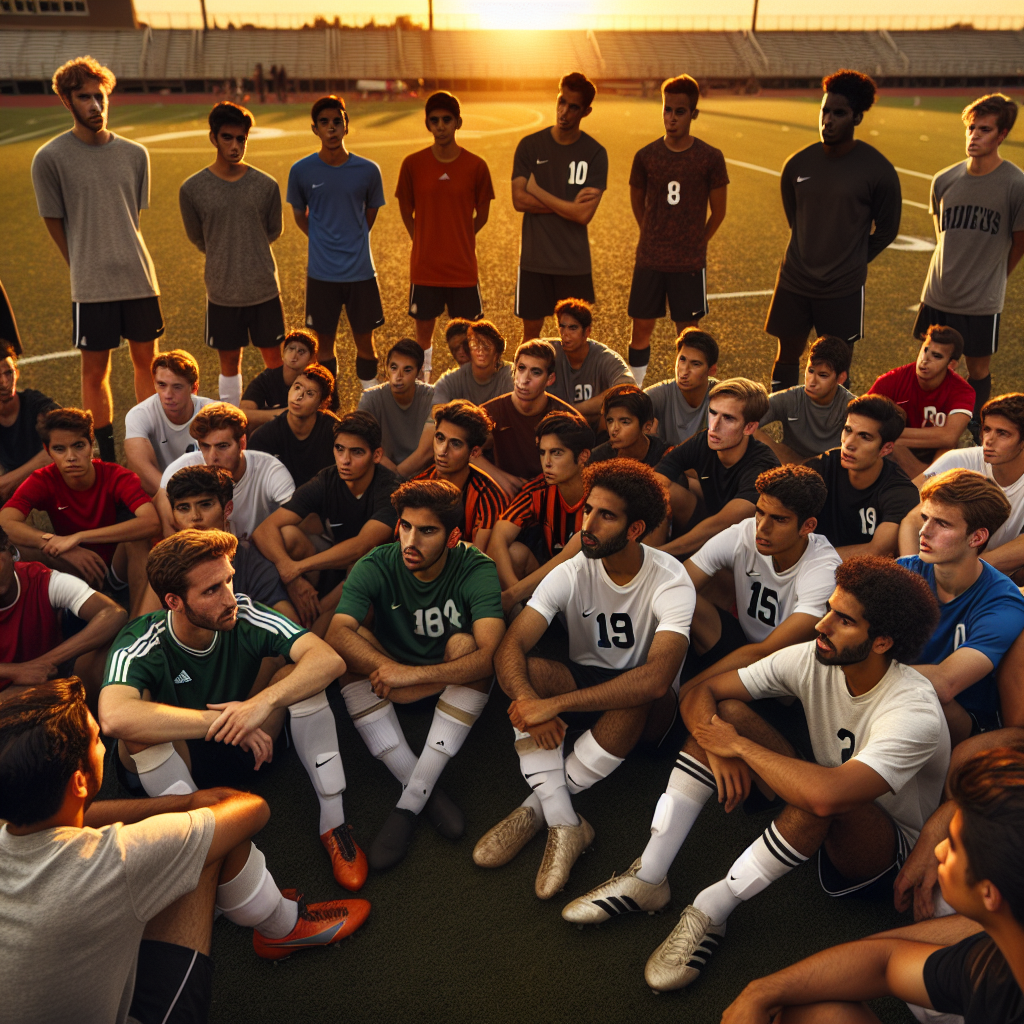

Think back to the best teammate or colleague you’ve ever had. Odds are, they weren’t just talented – they were dependable, resilient, and steady under pressure. That’s the quiet superpower of character development through college athletics. For student‑athletes and the professionals who lead them, the real win isn’t the scoreline; it’s who you become through the daily grind of training, travel, conflict, and competition. Table of Contents
Key Takeaways Lesson What Athletics Teaches
How It Shows Up in the Workplace Resilience Handling losses, injuries, roster changes, and role shifts Bouncing back from setbacks, changing strategy, staying solution-focused Leadership Serving teammates, communicating under pressure, owning mistakes Managing teams, leading meetings, building trust across departments Time Management Balancing travel, games, training, and academics Prioritizing tasks, meeting deadlines, protecting focus time
1. How College Athletics Fast-Forwards Character Growth
in Just Four Years Character development through college athletics happens in compressed time. In four short years, athletes experience intense highs, painful lows, and constant evaluation. You’re juggling roster competition, coaching changes, limited playing time, travel, plus the usual academic and social pressures. That amount of feedback and adversity would take a decade to experience in most corporate careers. Mentorship in College Soccer Recruiting: 7] For families guiding student‑athletes, this reality can feel overwhelming. But when it’s supported well, the environment becomes a powerful training ground for patience, humility, and confidence. On our campus visits, we often ask players: “Tell me about a time you almost quit.” The best programs don’t avoid that question; they lean into it, because they know the answer reveals real character. Time-crunch recruiting for high school seniors:] If you want your athlete to grow through this process, you can’t treat college sports as only a platform or a scholarship vehicle. You have to see it as a laboratory for growth where the metrics aren’t just minutes played, but maturity gained. Mentorship in college soccer recruiting: guía
Ask coaches how they handle players who aren’t starting.
Look for programs that talk about life skills as much as tactics.
Encourage your athlete to journal their growth, not just their stats.
Pro tip: During recruiting calls, ask directly: “How do you measure character development through college athletics in your program?” and listen closely to specifics, not slogans.
2. Building Resilience When College Sports
Plans Don’t Go Your Way Every athlete arrives with a script in their head: start as a freshman, climb the depth chart, graduate as a leader. Reality is usually messier. Injuries, coaching changes, transfers, and team politics all test resilience. This is where character development through college athletics is most visible: when expectations and reality collide. Soccer Recruiting for First Generation College] We’ve walked with seniors who got benched their last season and freshmen who arrived injured. The ones who grow don’t deny the disappointment. They grieve, then they get practical: What can I control today? How do I add value off the bench? How do I stay ready? This mindset is pure gold later in high-pressure careers, where mergers, layoffs, and shifting markets are the norm. How FC Dallas Coach College Recruiting] If you’re mentoring an athlete, teach them to treat setbacks like a film session: study, learn, adjust. That habit of reflection turns painful seasons into a resilience blueprint they’ll carry for life. College Soccer Coach Relationships and Networking:
Normalize honest debriefs after tough games or meetings.
Encourage a 24-hour rule: feel it, then shift to learning.
Practice reframing: from “I failed” to “I’m still in training.”
Pro tip: Have your athlete write down three specific skills they can improve every time playing time drops; it keeps their focus on growth, not just frustration.
3. Leadership Lessons From Locker Room Dynamics
and Game-Day Pressure The locker room is a live case study in leadership. You’ve got different cultures, personalities, and egos sharing buses, meals, and minutes. Character development through college athletics really shows up in how players handle conflict: speaking up when standards slip, owning their mistakes, and serving younger teammates who can’t help them win yet. Coaches constantly read these dynamics. We’ve seen captains who rarely give speeches but quietly check in with a frustrated backup after practice. That’s leadership that transfers straight into managing teams, sales territories, or cross-functional projects. It’s not about titles; it’s about responsibility. When the ref makes a bad call or the game plan falls apart, everyone looks to the same people: those who stay calm and take action. If you’re a business professional hiring ex-athletes, ask them about moments they had to challenge a teammate or admit they were wrong. Their answer will tell you more about their leadership ceiling than any GPA or award list.
Ask: “Who did you lead that couldn’t help you win right away?”
Ask: “Tell me about a conflict you helped resolve on your team.”
Ask: “What did you do when you disagreed with your coach?”
Pro tip: When visiting programs, watch practice, not just games; how captains lead on a rainy Tuesday reveals more than Saturday’s highlight reel.
4. Time Management, Discipline, and Academic Habits Built Through Athletics
A typical college soccer player might train 15–20 hours a week in-season, travel multiple days, and still carry a full course load. That crucible forces real time management. You can’t cram everything the night before when you’re on a bus to an away match. So athletes learn to block time, plan ahead, and say no to distractions their classmates can indulge.
Research from the NCAA on student-athlete time demands shows just how structured their weeks become. Many of our families are stunned when they first see a sample weekly schedule we walk through during “Time-crunch recruiting for high school seniors:” because it makes clear that discipline isn’t optional; it’s survival. But that same schedule literacy becomes a huge asset when they later juggle clients, teams, and families.
If you’re guiding an athlete, help them treat their calendar like a playbook: visible, shared, and constantly updated. Don’t wait until midterms or the playoffs to teach those skills.
Pro tip: Before freshman year, sit down with your athlete and build a mock in-season weekly calendar; treat it like a rehearsal for the real thing.
5. Relationships, Mentorship,
and Character Development Through College Athletics No one thrives in college sports alone. The healthiest programs intentionally pair younger players with older mentors and connect families with staff who care about more than stats. That’s why we talk so much about Mentorship in college soccer recruiting: guía when families ask how to choose between two offers that look similar on paper. For business professionals supervising young hires, this is a direct parallel. Just like a freshman adjusting to travel and tactics, your new analyst or account manager needs someone who will answer “dumb questions,” model healthy boundaries, and challenge them when they cut corners. Strong mentor relationships in college athletics teach athletes how to seek feedback, receive hard truth, and stay coachable.
Families can practice this even before college. Read pieces like "Mentorship in College Soccer Recruiting: 7" to gether with your athlete and have them list what kind of mentor they want and what kind of mentee they’re willing to be. That clarity makes future relationships richer and more honest.
Ask coaches how they structure mentorship between classes.
Encourage your athlete to seek one mentor on staff and one older teammate.
Model mentorship yourself by sharing your own early-career mistakes.
Pro tip: Have your athlete send one “thank you + update” message per month to a mentor; it keeps the relationship alive and builds professional habits.
6. Faith, Identity, and Competing
With Integrity in College Athletics One of the hardest parts of character development through college athletics is identity. When your performance, playing time, and scholarship money all feel tied to your worth, it’s easy to ride an emotional roller coaster. We regularly remind athletes: you are more than your sport. That conviction, often rooted in faith or a bigger life purpose, steadies them when results swing. We’ve watched players handle brutal injuries or career-ending diagnoses with a depth that surprised everyone around them. Often, that calm comes from doing earlier work on who they are apart from soccer: a person of faith, a committed friend, a future professional. Resources from campus ministries or conversations with trusted coaches can anchor this identity, much like thoughtful mentoring supports "Soccer Recruiting for First Generation College" students navigating extra layers of pressure. For leaders in business, there’s a simple application: don’t only praise outcomes. Celebrate integrity, courage, and honesty when nobody’s watching. That’s how you reinforce the same values healthy college programs fight for.
Talk regularly about who you are beyond sport or job titles.
Create spaces where failure and doubt can be discussed safely.
Practice small integrity decisions: film honesty, truthful reports, fair credit.
Pro tip: Ask your athlete to write a one-sentence statement of identity that doesn’t mention their sport; revisit it after every season to see how it’s growing.
7. Translating Athletic Character Into Career
and Life After Graduation The real return on character development through college athletics often shows up 5–10 years after graduation. That’s when former athletes are leading teams, managing clients, or launching businesses – and drawing daily on habits built during 6 a.m. lifts and long bus rides. Surveys from organizations like the NCAA and reports summarized in resources on student-athlete outcomes show employers consistently value former athletes for resilience, teamwork, and competitiveness. As we help families connect with coaches through resources like "College Soccer Coach Relationships and Networking:" and "How FC Dallas Coach College Recruiting" we’re always thinking past the four-year window. Which environment will best prepare this athlete to handle hard feedback in a performance review? To advocate for themselves professionally? To navigate ethical gray areas without cutting corners? If you’re a business leader interviewing former college athletes, ask behavioral questions that draw out their sports stories, then tie those directly to your context. You’ll often find they already speak the language of preparation, accountability, and team-first thinking – they just need help translating it.
Encourage athletes to add specific sports examples to their resumes.
Practice interviewing by turning game scenarios into workplace stories.
Connect with college career centers that understand athlete strengths.
Pro tip: Have your athlete create a “skills translation sheet” with two columns: sports experience on the left and workplace value on the right; use it to prep for internships and networking. Choosing Programs That Prioritize Character
Development Through College Athletics When you zoom out, the wins that matter most aren’t on the scoreboard. They’re in how an athlete handles being benched, responds to a tough coach, shows up in class after a road loss, and treats teammates who can’t help them get highlights. Those are the quiet but lasting fruits of character development through college athletics.