
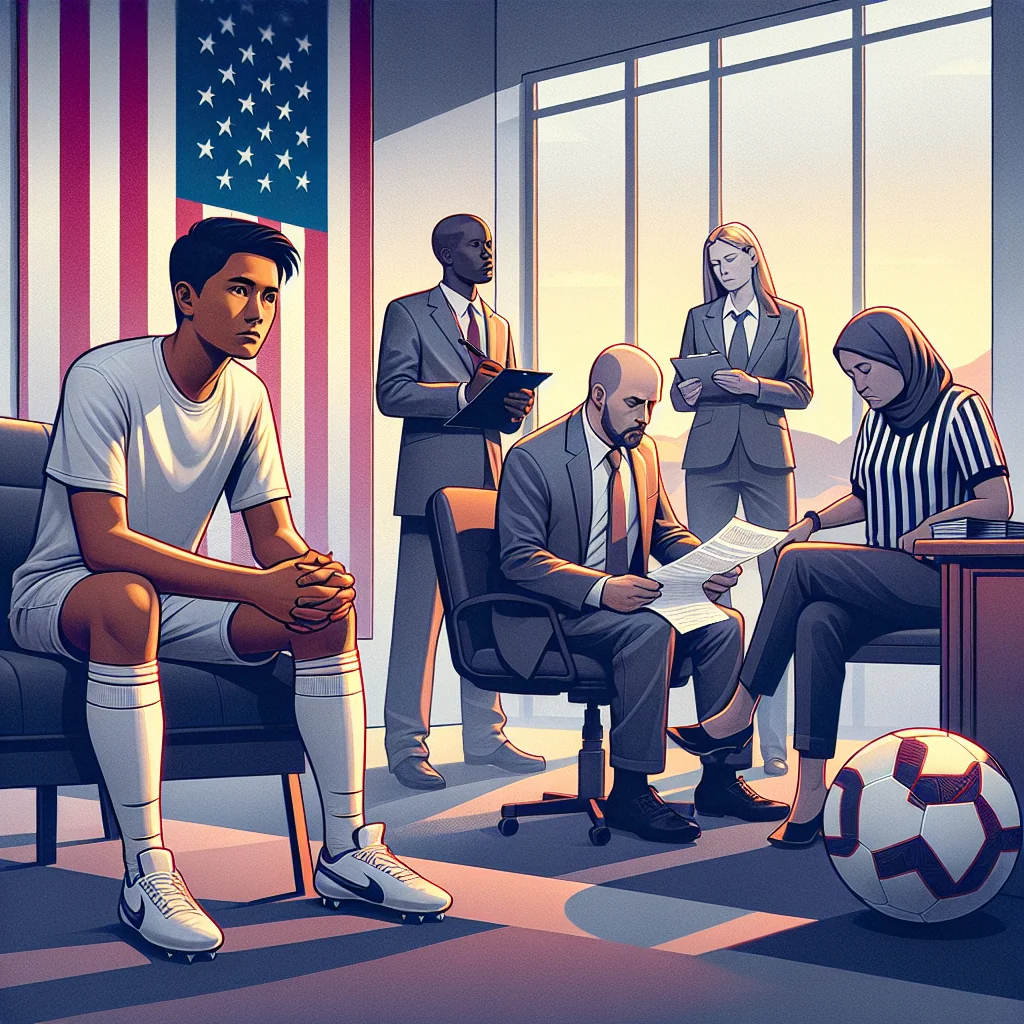

For international students with dreams of playing college soccer in the United States, the journey is about much more than perfecting your footwork or scoring goals. Alongside the thrill of being recruited, there’s a sometimes-daunting process that happens off the pitch: securing the right visa. At Empower College Consulting, we understand that every young athlete’s path is unique, and navigating immigration hurdles can be confusing for both players and their families. Our mentorship-driven approach means we’re committed to supporting not just your athletic aspirations, but your holistic development—including helping you tackle challenges like the visa process with confidence and clarity.
Understanding the Student Visa Landscape
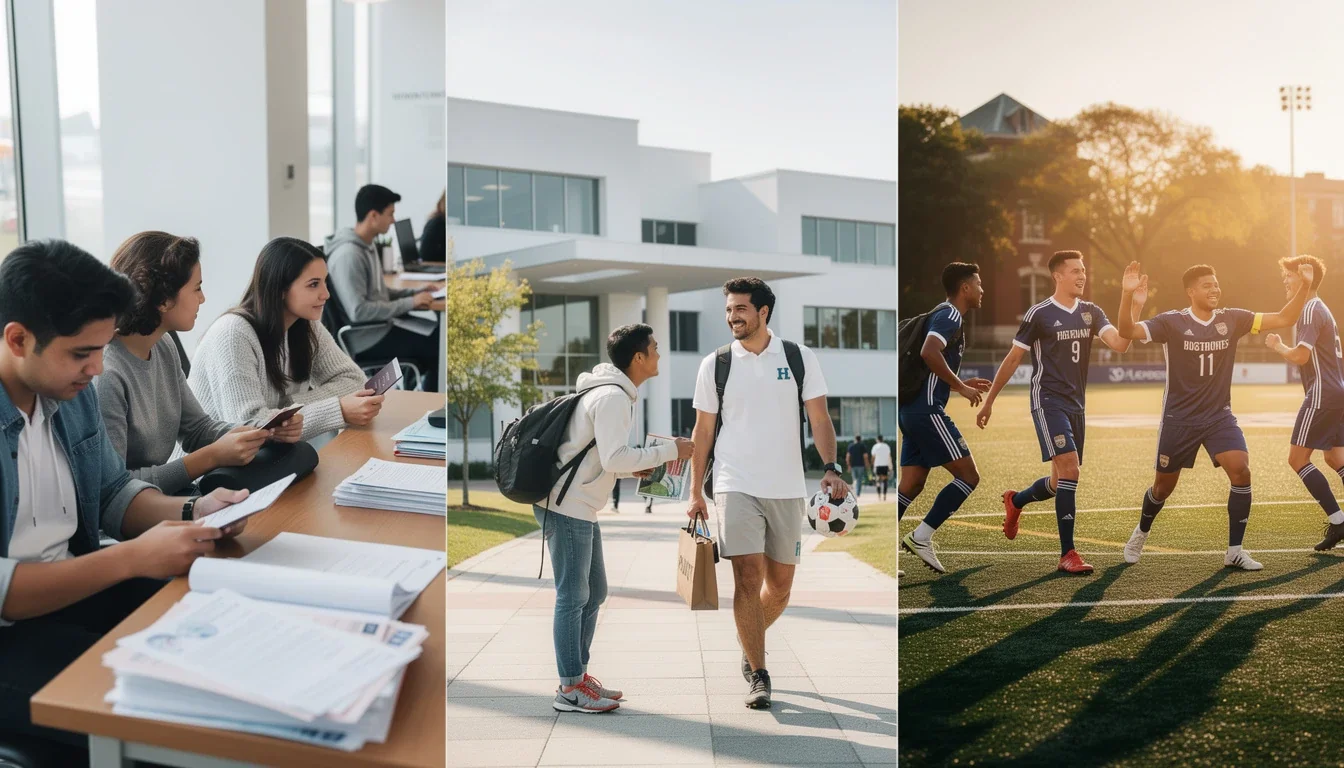
The most common visa for international college athletes is the F-1 student visa. This visa lets you study full-time in the U. S. and, for soccer players, join collegiate teams under NCAA, NAIA, or NJCAA programs. While it sounds straightforward, the application process involves several steps and strict requirements. The U. S. government expects students to prove they’ve been accepted by an accredited institution, have the financial resources to support themselves, and intend to return home after their studies.
It’s not just paperwork—visa interviews can feel intimidating, and language barriers or cultural differences may add extra pressure. Coaches and college recruiters might not always have the answers, so it’s essential for athletes and their families to seek guidance early and understand what’s required before committing to a college.
Pro tip: Start your visa planning as soon as you receive interest from a college program. The earlier you gather documents and prepare, the smoother your transition will be.
Common Visa Challenges Athletes Face
Visa requirements aren’t just bureaucratic hurdles; they can impact your eligibility to play, your ability to train with your team, and even your scholarship status. Some of the most frequent challenges international soccer players encounter include:
- Timing issues: College acceptance letters often arrive late, leaving little time for visa processing before the season starts.
- Financial documentation: You’ll need to show proof that you (or your family) can cover tuition and living expenses. For some, this is a major hurdle.
- Interview nerves: The visa interview is a pivotal moment, and many students feel anxious about being misunderstood or making mistakes.
- Changing rules: Immigration policies can shift quickly, leaving students and families unsure about the latest requirements.
Empower College Consulting believes in transparency—we’ll help you understand which documents to gather, how to present your case clearly, and what to expect at every stage. Remember, you’re not alone; many players have walked this path before you.
Pro tip: Practice your visa interview with a trusted mentor or counselor. Confidence and honesty go a long way.
The Importance of Staying Compliant
Once you’ve received your F-1 visa and arrived in the U. S., it’s vital to remain in good standing. This means maintaining full-time enrollment and ensuring you’re making academic progress. If you fall below the required credit hours, take an unauthorized job, or fail to update your address, you risk losing your status—and with it, your eligibility to play college soccer.
Another key point: travel. If you want to visit home during breaks, make sure all your documentation is current and that you know how to re-enter the U. S. smoothly. Many athletes have faced stressful situations because they didn’t realize how strict the rules are about travel and re-entry.
At Empower, we emphasize character and holistic growth. Managing your visa responsibly isn’t just about following rules—it’s about developing integrity, responsibility, and resilience, qualities that’ll serve you on and off the field.
Pro tip: Keep both digital and paper copies of all your immigration documents, and update them as soon as changes occur.
Navigating Transfers and Unexpected Changes
Your college journey might involve changes—transferring schools, switching majors, or even taking a semester off. Each shift can affect your visa status. For international athletes, transferring between schools means you must coordinate between both institutions’ designated school officials (DSOs) to ensure your SEVIS record is properly updated.
In emergency situations—like illness, family crises, or unexpected coaching changes—it’s crucial to communicate with your school’s international student office immediately. They can help you understand your options and keep your status secure. Remember, the goal is long-term success, not just short-term wins.
At Empower, we encourage open conversations about life changes and challenges. We’re here to offer guidance, whether you’re considering a transfer or facing an unexpected obstacle.
Pro tip: Keep your DSO’s contact information handy, and never hesitate to ask questions if you’re unsure about your status.
Balancing Soccer, Academics, and Visa Obligations
Being a student-athlete is demanding. Add international paperwork and cultural adaptation, and the pressure can feel intense. It’s important to build a routine that lets you manage your training, classes, and visa responsibilities without burning out.
We recommend establishing regular check-ins with your academic advisor and your school’s international office. Build a support network among teammates, coaches, and mentors who understand your unique journey. At Empower, we see each athlete as a whole person—not just a soccer player—so we encourage habits that foster balance, mental health, and personal growth alongside athletic achievement.
Faith, character, and resilience aren’t just buzzwords; they’re the foundation for handling setbacks, whether it’s a rough game or an unexpected visa snag. The skills you develop through this process—time management, leadership, communication—will benefit you long after your college career ends.
Pro tip: Use a calendar or app to track important dates: visa renewals, travel plans, and academic deadlines. Staying organized is key.
Resources and Support Systems
No one expects you or your family to become immigration experts overnight. That’s why it’s crucial to tap into available resources. Most colleges have international student offices staffed with professionals who can answer visa questions and help you navigate problems. Your coaches, academic advisors, and programs like Empower College Consulting are also invaluable allies.
We’re committed to building long-term relationships rooted in trust, faith, and honest guidance. Our goal is to empower you to make informed decisions, advocate for yourself, and thrive in every aspect of your college experience.
If you ever feel overwhelmed, reach out—whether to your school, a mentor, or our team. Asking for help is a sign of strength, not weakness.
Pro tip: Join international student groups or networks on campus. You’ll find community, friendship, and peer support from others who understand your experience.
Related Articles
Conclusion
The path to playing college soccer in the U. S. as an international student is filled with excitement and opportunity—but also challenges, especially when it comes to securing and maintaining your visa. By preparing early, staying organized, and seeking mentorship, you’ll be better equipped to overcome these hurdles and focus on what truly matters: growing as an athlete, a student, and a person of character.
At Empower College Consulting, we’re here to guide you every step of the way—not just toward athletic success, but toward a future built on faith, resilience, and holistic development. Remember, it’s your journey, but you don’t have to walk it alone.