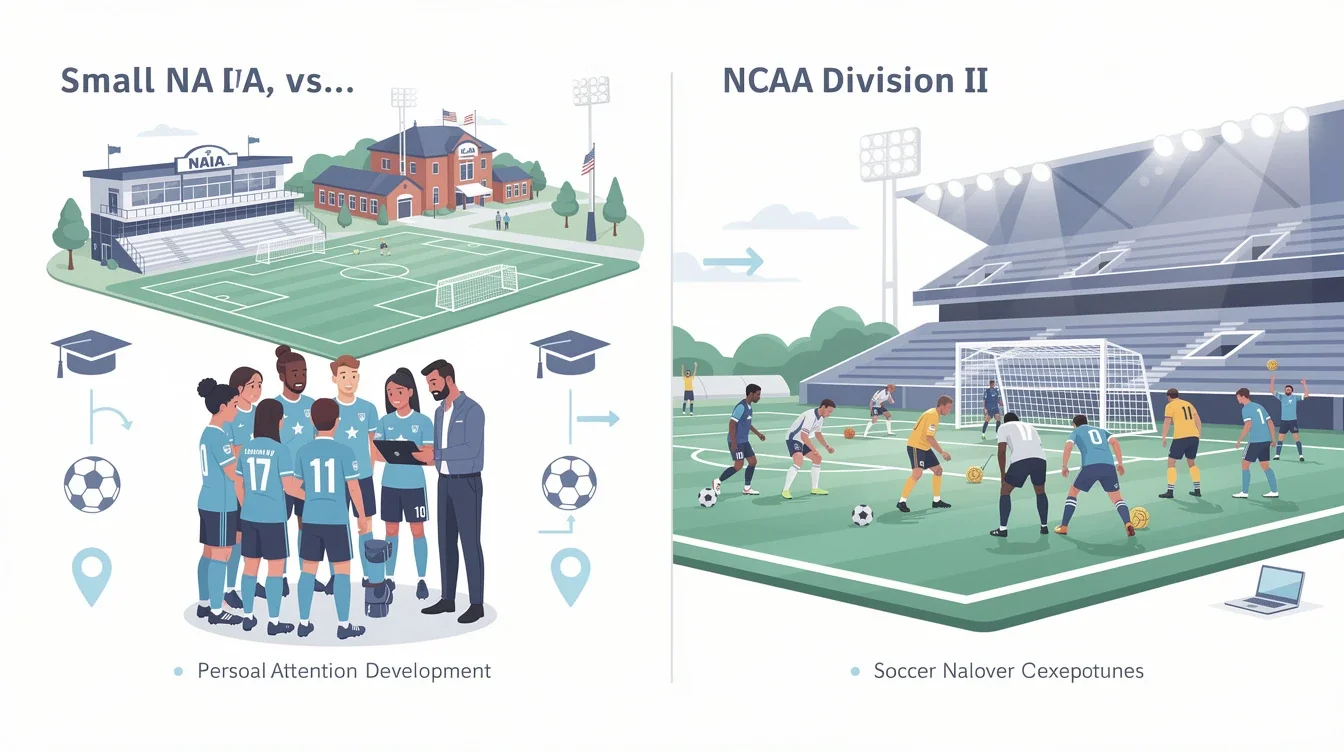

For many high school soccer players and families, choosing the right college path is about much more than a roster spot. It’s about finding a place where you’ll be challenged, mentored, and supported—on and off the field. At Empower College Consulting, we know that two of the most overlooked but rewarding pathways are small NAIA schools and NCAA Division II programs. If you’re weighing your options, you’re not alone. Let’s walk this journey to gether and unpack the real opportunities, challenges, and experiences you can expect from each route.
Understanding the Landscape
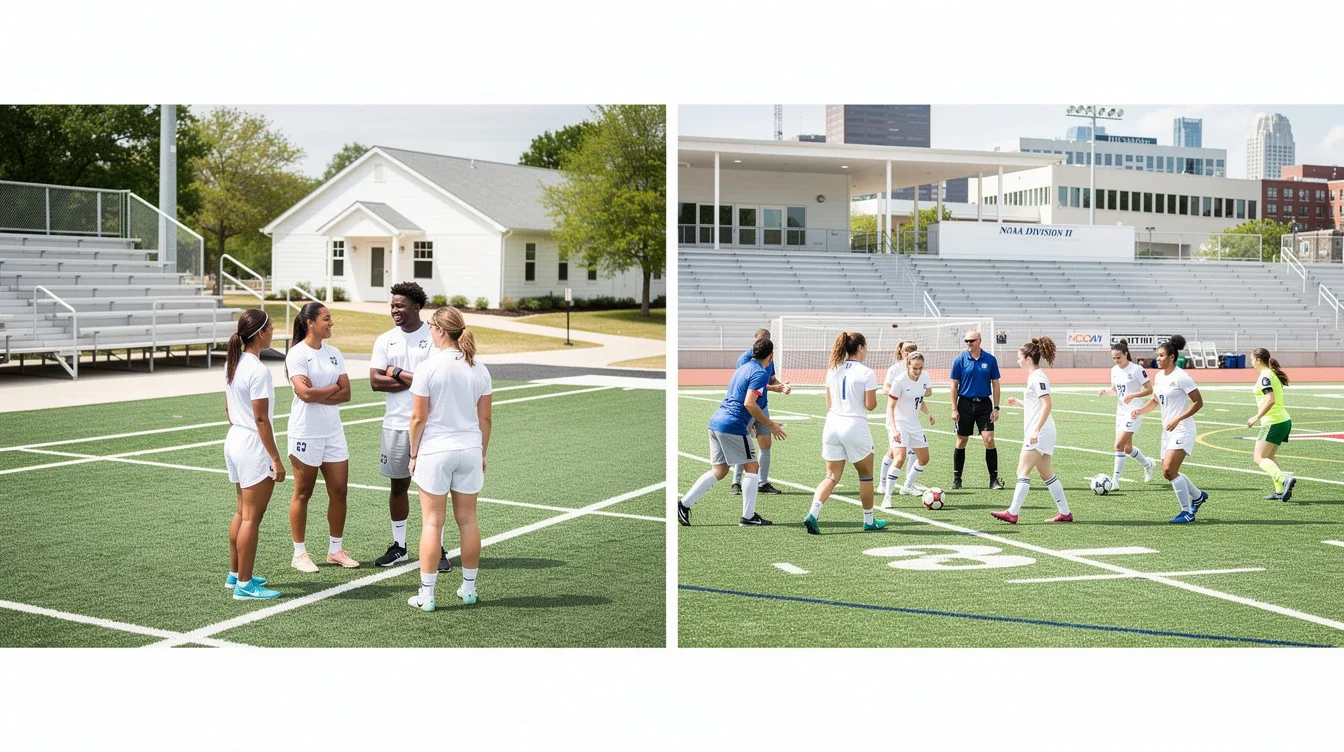
Before you can make an informed choice, it’s important to grasp what makes NAIA and NCAA Division II unique. The National Association of Intercollegiate Athletics (NAIA) is a separate governing body from the NCAA, often home to smaller, private colleges. These schools tend to emphasize community, holistic development, and a strong sense of belonging. NCAA Division II, meanwhile, sits in the middle of the NCAA’s three-division structure, offering a balance between competitive athletics, rigorous academics, and a well-rounded college experience.
While both NAIA and NCAA DII schools can offer athletic scholarships, the culture, playing level, and campus life can differ significantly. NAIA programs are often more flexible with eligibility and tend to prioritize character and faith, making them a natural fit for some student-athletes. NCAA DII schools, on the other hand, usually have larger athletic departments and sometimes more extensive resources, but also a more demanding level of competition.
Pro tip: When comparing schools, focus less on the initials and more on the overall fit—coaching style, team culture, and mission matter just as much as the governing body.
Recruiting Differences and What They Mean
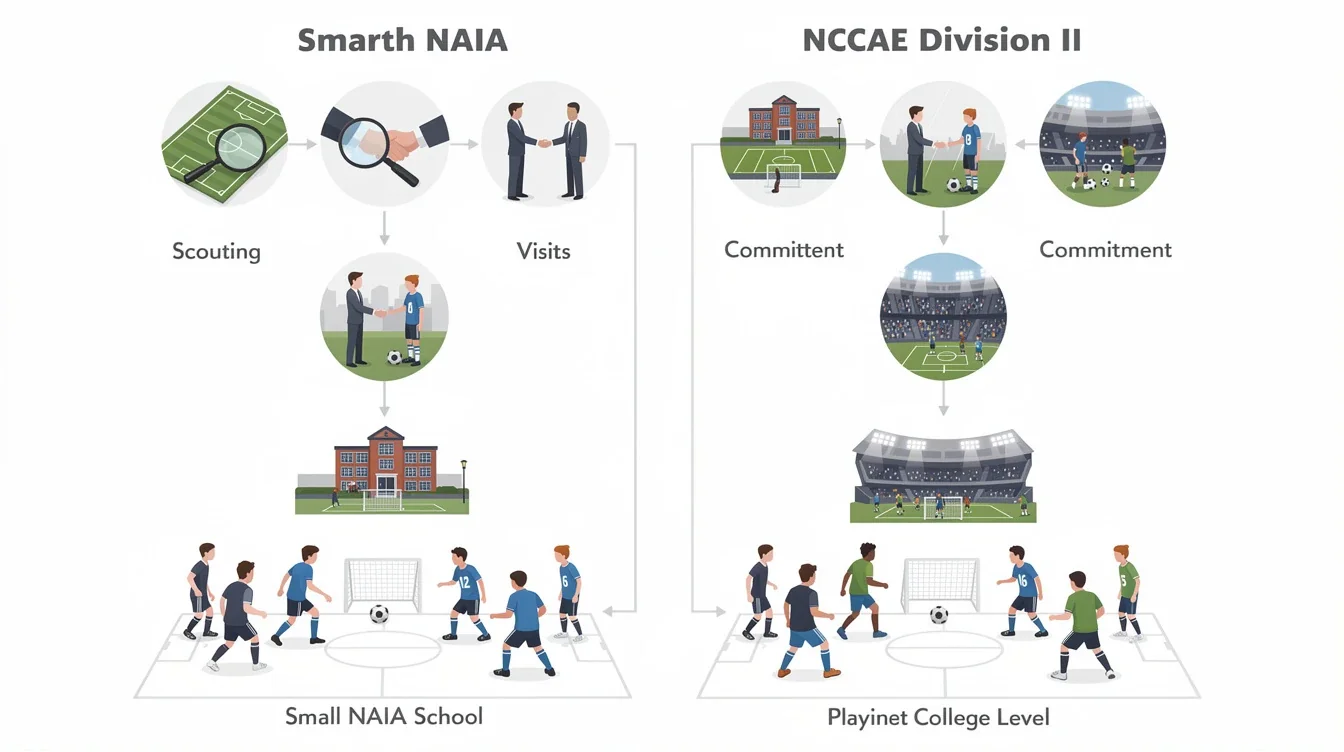
The recruiting process in NAIA and NCAA Division II is similar in many respects, but there are distinct differences that can impact your journey. NAIA recruiting tends to be more relationship-driven and flexible. Coaches often have more autonomy and can reach out to prospects earlier in high school. The process can feel more personal, with coaches valuing not only your skills but also your character and alignment with the school’s values.
In NCAA Division II, recruiting is regulated by NCAA rules, including contact periods and official visit limitations. The process is often more structured and can be more competitive, especially for top programs. DII coaches are looking for athletes who can contribute immediately, but they’re also invested in your academic and personal growth.
At Empower College Consulting, we encourage you to reach out early and build genuine relationships with coaches at both levels. Ask about their expectations, team culture, and how they support players academically and spiritually.
Pro tip: Don’t be afraid to ask tough questions during recruiting. Coaches appreciate athletes who know what they want and are serious about finding the right fit—on the field and in life.
Academic and Athletic Balance
One of the most significant advantages of both NAIA and NCAA Division II programs is the emphasis on balance. Unlike the “all-in” mentality often associated with NCAA Division I, both NAIA and DII prioritize your development as a whole person. This means you’ll have more flexibility to pursue academic interests, internships, and leadership roles outside of soccer.
NAIA schools, especially smaller ones, often offer smaller class sizes, more accessible professors, and a tight-knit campus community. These factors can make the transition to college smoother and help you find your footing quickly. NCAA DII schools, while sometimes larger, still maintain a strong commitment to academic success and life beyond sports. Many DII programs have academic advisors dedicated to student-athletes and offer resources to help you thrive in the classroom.
Balancing soccer and academics is never easy, but the support systems in place at both levels can make a world of difference. Ultimately, your character and commitment will determine your success—qualities that both NAIA and DII programs are eager to nurture.
Pro tip: When visiting campuses, meet with academic advisors and professors if possible. Their insight can help you envision life beyond the pitch and set goals for your future.
Soccer Experience: Competition, Playing Time, and Growth
Let’s talk soccer. It’s natural to wonder how the level of play stacks up between small NAIA schools and NCAA Division II. The reality? There’s a lot of overlap, with many top NAIA teams capable of competing with strong DII programs. The main differences often come down to depth, athletic resources, and the day-to-day intensity of training and competition.
At smaller NAIA schools, you may have a better shot at early playing time, leadership roles, and forming close bonds with teammates and coaches. Coaches at these programs are often deeply invested in your personal development, offering mentorship that extends beyond soccer. The faith-based and character-driven approach at many NAIA schools also means you’ll be encouraged to grow spiritually and emotionally.
NCAA Division II programs can be highly competitive, with rosters often featuring former Division I recruits, international players, and a deep bench. The training environment is intense, and the competition for playing time can be fierce. However, DII coaches are often just as committed to mentorship and holistic development, and you’ll have access to excellent athletic facilities and medical support.
Whether you choose NAIA or DII, you’ll find opportunities to grow as a player and a person. The key is to seek a program where you’ll be challenged, supported, and inspired to reach your best—on and off the field.
Pro tip: Watch team training sessions if you can. Seeing the team dynamic and coaching style firsthand is invaluable in making your decision.
Scholarships and Financial Aid
Finances are a big part of the college decision, and it’s important to understand how scholarships work in both NAIA and NCAA Division II. Both organizations allow schools to offer athletic scholarships, but the number and amount can vary widely. NAIA schools can offer up to 12 scholarships per team for men’s soccer and 12 for women’s soccer, but these are often divided among multiple players. NCAA DII also allows up to 9.9 men’s and 9.9 women’s soccer scholarships, again typically split into partial awards.
The key difference is flexibility. NAIA schools sometimes have more leeway in stacking athletic, academic, and need-based aid, which can make their financial packages very competitive—even compared to some NCAA schools. NCAA DII programs, while regulated, also do a great job of combining academic and athletic aid to make college affordable.
Don’t be afraid to ask coaches about scholarship opportunities and how aid is awarded. Every family’s financial situation is different, and at Empower College Consulting, we work closely with you to ensure you’re maximizing your options.
Pro tip: Start your financial aid paperwork early. Filling out the FAFSA and other forms ahead of time will make scholarship negotiations smoother and less stressful.
Community, Character, and Long-Term Impact
At the heart of your college soccer experience is the community you’ll join and the person you’ll become. Both NAIA and NCAA Division II schools are deeply committed to character development, leadership, and service. Many NAIA programs have a faith-based mission and place a strong emphasis on spiritual growth, while DII programs often focus on leadership, community engagement, and preparing you for life after sports.
You’ll find lifelong mentors in your coaches, teammates who become family, and opportunities to serve others—whether that’s through campus ministries, service projects, or leadership roles. The relationships you build will shape you for years to come, far beyond your time on the field.
At Empower College Consulting, our goal is to help you not just find a soccer program, but a place where you’ll be empowered to grow in character, faith, and purpose. We believe your college choice should be about more than soccer—it should be about who you want to become.
Pro tip: Ask current players about their experience with team culture, mentorship, and personal growth. Their stories will give you a window into what your own journey could look like.
Conclusion
Choosing between a small NAIA school and an NCAA Division II soccer program is about so much more than competition—it’s about fit, growth, and finding a place where you can thrive. Both paths offer rich opportunities for athletic achievement, academic success, and personal development. As you navigate your journey, remember that you’re not alone. At Empower College Consulting, we’re here to walk alongside you, offering honest advice, encouragement, and a long-term commitment to your success—on the field, in the classroom, and in life. Your future is bright, and the right fit is out there. Let’s find it to gether.