

The journey to play college soccer is full of excitement and hope, but it can also feel daunting. From late-night practices to managing schoolwork, and navigating the maze of recruiting, it’s easy to get overwhelmed. Yet, one trait sets successful student-athletes apart: mental resilience. At Empower College Consulting, we believe that developing this inner strength is just as crucial as perfecting your touch on the ball. Let’s explore how mental resilience fuels the recruiting process, and how you and your family can nurture it every step of the way.
Understanding the Ups and Downs

The path to college soccer is rarely a straight line. Your journey might be filled with thrilling wins, frustrating losses, promising emails that go unanswered, and moments when your confidence wavers. It’s natural to feel a mix of emotions—excitement, anxiety, hope, and even doubt. Mental resilience isn’t about ignoring these feelings; it’s about learning to ride the waves, adapt, and bounce back stronger.
Mentally resilient athletes recognize setbacks as temporary. Maybe you didn’t make the showcase team you wanted, or your top-choice coach hasn’t replied. These moments sting, but they don’t define your future. Instead, they present opportunities to reflect, adjust, and keep striving. When you accept that adversity is part of the process, it becomes easier to stand tall and keep moving forward.
Pro tip: When disappointments happen, talk them through with a trusted mentor or family member. Sometimes, just saying your worries out loud can help you see them differently and shift your focus to what you can control.
Balancing Pressure and Passion
The recruiting process can feel like a high-stakes game in itself. You want to impress coaches, keep up your grades, and show your best self at every opportunity. It’s easy to put enormous pressure on yourself. But remember, passion fuels performance far more than pressure ever could.
Mental resilience means managing the stress that comes with high expectations—whether they come from yourself, your coaches, or your family. It’s about setting realistic goals, celebrating small wins, and remembering why you fell in love with soccer in the first place. When you play for the joy of the game, not just for a roster spot, you bring out your best qualities on and off the field.
Pro tip: Make time each week to simply enjoy the game—whether it’s a casual kickaround with friends or watching your favorite team. Reconnecting with your love for soccer can help keep stress in check and motivation high.
Staying Present in the Process
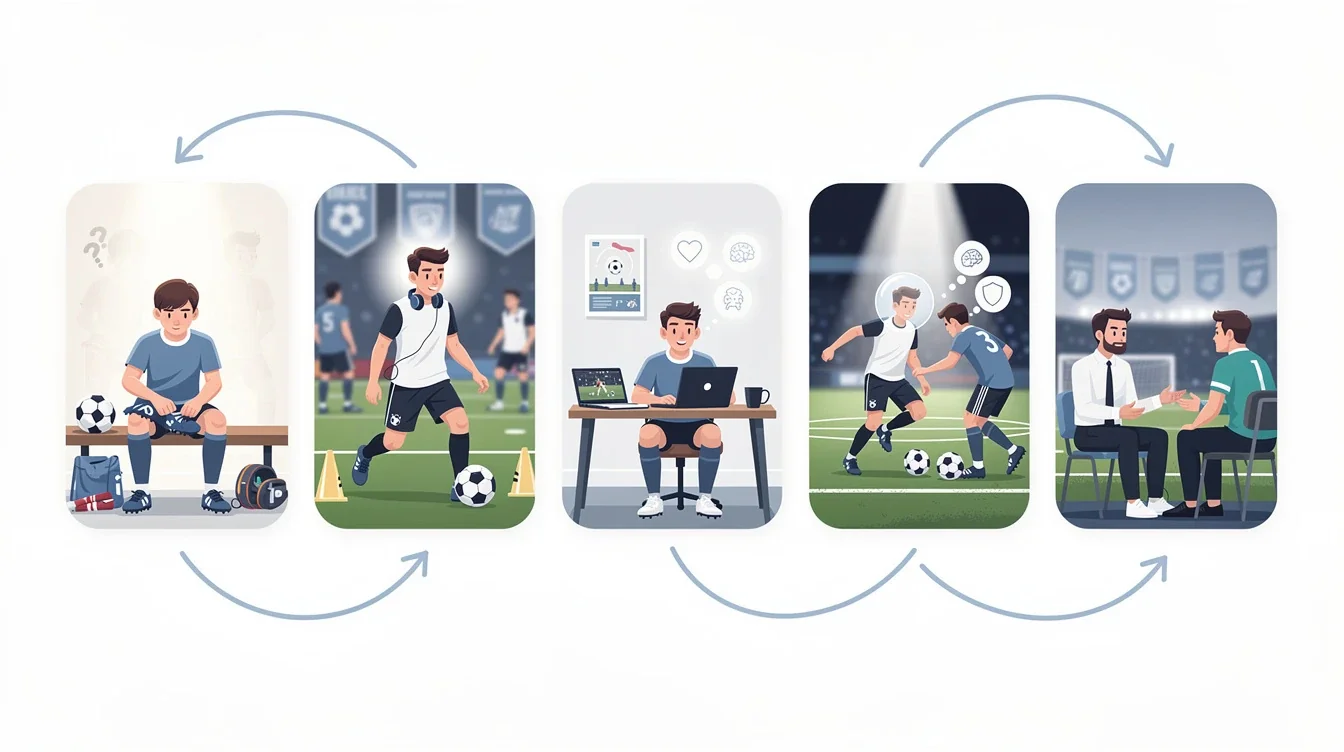
It’s tempting to look ahead—to the college offers, the campus visits, the scholarship letters. But mental resilience is grounded in the present moment. Focusing too much on future outcomes can lead to anxiety and distract you from what you need to do today.
Being present means taking each step as it comes. It’s about preparing for practice, doing your homework, sending that follow-up email, or getting enough rest. When you break the recruiting process into manageable pieces, it feels less overwhelming. You gain confidence from checking off small tasks, and before you know it, you’ve built momentum.
At Empower College Consulting, we encourage student-athletes to adopt daily habits that support their goals. Whether it’s journaling about your progress, setting intentions before games, or practicing mindfulness, these routines help reinforce your mental toughness and keep you grounded.
Pro tip: Try a simple “three good things” exercise at the end of each day—write down three things that went well, no matter how small. This helps train your brain to notice progress and stay positive, even during challenging weeks.
Embracing Feedback and Growth
In recruiting, feedback comes in many forms: a coach’s critique, a teammate’s encouragement, or even a “no thanks” from a college program. Mentally resilient athletes don’t take feedback personally. Instead, they see it as a roadmap for growth.
It takes humility and courage to ask for honest assessments and act on them. Maybe a coach suggests working on your left foot, or a college tells you they’re looking for a different playing style. Instead of getting discouraged, use this information to get better. Every conversation, every trial, every training session is a chance to learn and improve.
Resilience means staying open to change and staying curious. Growth rarely happens in your comfort zone. When you view feedback as a gift, not a judgment, you’ll find new ways to challenge yourself and keep moving forward.
Pro tip: After receiving feedback, write down one action step you’ll take to improve. Share your plan with a mentor or parent—accountability can turn feedback into real progress.
Building Your Support Team
No one makes it through recruiting alone. It truly takes a village: family, coaches, teammates, mentors, and friends. Building mental resilience means knowing when—and how—to lean on your support network.
At Empower College Consulting, we believe that strong relationships are the foundation of lasting success. Don’t be afraid to ask for help when you’re feeling stuck or discouraged. Whether you need advice on communicating with coaches, balancing academics, or just someone to listen, your support team is there to guide you.
Parents and families play a vital role too. Your encouragement, patience, and faith in your student-athlete’s journey can make all the difference. Celebrate the effort, not just the outcomes, and remind your athlete that their value isn’t tied to any single offer or game.
Pro tip: Schedule regular check-ins with your support team to talk through your goals, challenges, and next steps. These conversations keep everyone on the same page and remind you that you’re never alone on this journey.
Staying True to Your Values
The recruiting process can sometimes feel like a whirlwind—so many options, so many opinions, so much at stake. But mental resilience means staying true to your core values. At Empower, we encourage student-athletes to ground their decisions in what matters most: character, faith, and holistic development.
Ask yourself: What kind of teammate do I want to be? What role does my faith or personal values play in my journey? How do I want to grow, both as an athlete and as a person? When you use your values as a compass, you’re less likely to get swept up by comparison or external pressure. You’ll find the right fit for you—not just as a soccer player, but as a whole person.
Remember, a college program’s culture, coaching style, and community matter just as much as its athletic reputation. Choosing a school where you can thrive on and off the field is the ultimate goal.
Pro tip: Before making big decisions, take time to reflect—journal, pray, or talk with someone you trust. Clarity often comes when you give yourself space to listen to your heart and your values.
Conclusion
The college soccer recruiting journey isn’t just about finding the right program—it’s about discovering who you are, what you stand for, and how you handle life’s challenges. Building mental resilience will serve you not only on the field, but in every area of your life. At Empower College Consulting, we’re honored to walk alongside you and your family, championing your growth, your dreams, and your well-being. Remember: setbacks are just stepping stones, and with resilience, faith, and the right support, you’ll be ready to embrace every opportunity that comes your way.