

Freshman year of high school is often underestimated in the college soccer recruiting journey. Many players and families believe that recruiting only ramps up during junior or senior year, but in reality, the habits you build as a freshman lay the foundation for your future as a student-athlete. At Empower College Consulting, we know firsthand that early, intentional steps—rooted in character, faith, and holistic growth—will serve you on and off the field. Let's dive into the essential habits to establish during your freshman year that can truly empower your recruiting journey.
Build Strong Academic Routines

As much as soccer is your passion, academics are a cornerstone of college recruitment. College coaches, especially at NCAA, NAIA, and NJCAA programs, look for players who excel in the classroom as well as on the pitch. Freshman year is the perfect time to set high standards for yourself academically. Commit to a consistent study routine, complete assignments on time, and don't hesitate to seek help if you need it. Remember, your GPA starts building now, and a strong academic record opens more doors—both for scholarships and for program options.
Pro tip: Get to know your teachers and school counselor early! Building relationships now will help when you need letters of recommendation or academic support down the road.
Develop Consistent Soccer Training Habits
Talent might open the door, but work ethic keeps you in the room. Freshman year is about developing consistent training habits that go beyond your club or high school practices. Take ownership of your development: set personal goals, dedicate time for technical skills, work on your fitness, and study the game. Seek feedback from coaches and teammates, and be honest with yourself about areas for improvement. This is also the time to fall in love with the process, not just the end result.
Pro tip: Keep a simple soccer journal. Track your training sessions, what you learned, and how you felt. Over time, this reflection will help you see your progress and keep you motivated.
Start Understanding the Recruiting Process
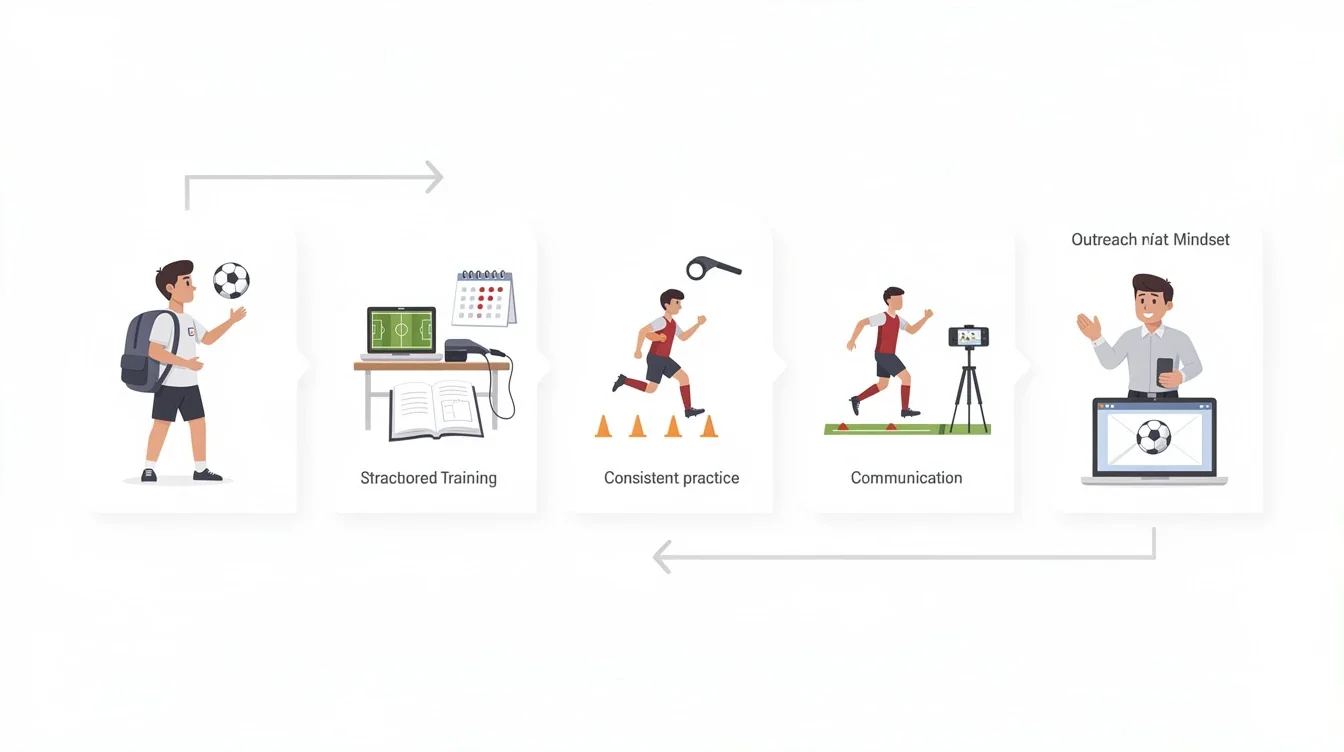
It’s never too early to learn how college soccer recruiting works. Freshman year is the time to become familiar with basic recruiting timelines, eligibility requirements, and the differences between NCAA, NAIA, and NJCAA programs. Begin researching colleges, not just for their soccer programs but for their academics, campus culture, and values. Remember, you're not just looking for a place to play soccer—you're looking for your future home.
Pro tip: Attend a local college game or recruiting seminar with your family. Experiencing the environment firsthand—and hearing coaches speak—can spark clarity and motivation.
Cultivate Good Communication Skills
The best relationships in recruiting are built on authentic, respectful communication. Start practicing these skills now. That means learning how to introduce yourself professionally, expressing gratitude, and following up with coaches or mentors. Whether it's a thank-you email to a club coach or a polite inquiry about a college camp, your ability to communicate will set you apart. Plus, these habits serve you in every area of life.
Pro tip: Create a draft “athlete bio” and practice sharing your story aloud. This will help you speak confidently about your journey, goals, and what makes you unique.
Invest in Character and Leadership
Coaches recruit more than just athletes—they look for leaders and difference-makers. Use your freshman year to build your character. Volunteer for team responsibilities, help a younger player, or step up when your team faces adversity. Ground your actions in faith, integrity, and respect for others. The way you treat teammates, opponents, and officials reveals your true colors. Over time, these habits shape your reputation, and word travels fast in the soccer community.
Pro tip: Find a mentor—maybe an older teammate, coach, or family friend—who embodies the values you admire. Ask them about their recruiting journey and how character played a role.
Balance Soccer with Life
Soccer is important, but so is your well-being and personal growth. Freshman year can feel overwhelming at times, especially as you juggle academics, athletics, and social life. Prioritize rest, stay connected with your friends and family, and make time for hobbies that bring you joy. Healthy habits now—like eating well, sleeping enough, and managing stress—will sustain you for the busy years ahead.
Pro tip: Set aside one day each week to unplug from soccer and recruiting. Use that time to recharge, reflect, and enjoy life outside the game.
Conclusion
Your freshman year is a blank canvas. The habits you form now will echo throughout your high school career—and beyond. At Empower College Consulting, we believe that the recruiting journey is about more than scholarships or roster spots; it’s about shaping who you become as a person, student, and athlete. If you commit to consistent growth in academics, athletics, character, and relationships, you'll be amazed at what’s possible. Remember, you’re not alone—we’re here to guide, support, and empower you every step of the way. The journey starts now, and your future is brighter than you can imagine.