

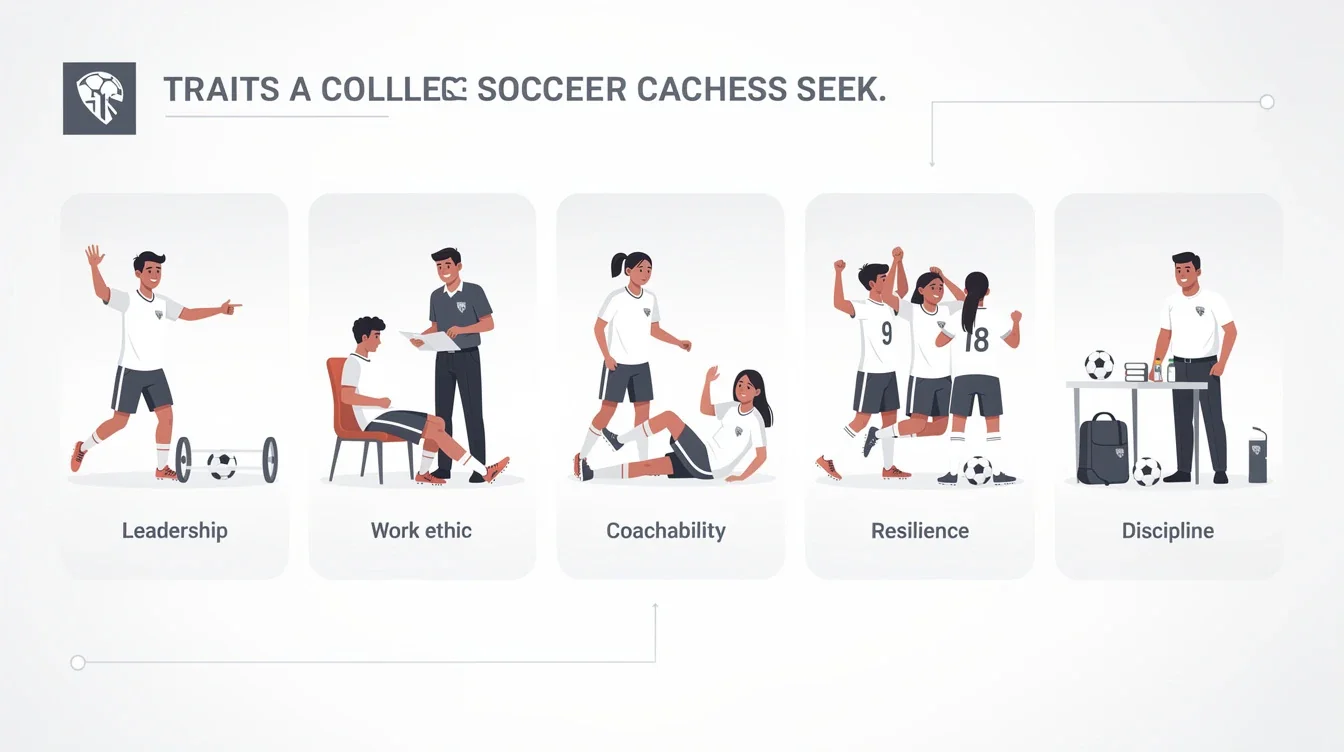
When college soccer coaches head out to recruit, they're not just looking for athletes who can rocket a ball into the upper 90 or sprint past defenders. Sure, technical skill and athleticism matter—but what often separates a good player from a scholarship offer is character. At Empower College Consulting, we’ve walked alongside hundreds of student-athletes and their families, and we know the truth: coaches want young men and women who’ll lift their team, program, and campus community with who they are, not just how they play. So, what character traits do college soccer coaches seek? Let’s explore the key qualities that could put you on a coach’s radar—and help you thrive, both on and off the pitch.
Coachability: The Willingness to Learn
Coaches at every level crave players who are coachable. What does that mean? It’s all about your ability to listen, accept feedback, and make changes—even if it’s uncomfortable or different from what you’re used to. College soccer is an entirely new pace, and even the best high school players have growing to do.
Coachability shines through in how you react to constructive criticism. Do you drop your shoulders and tune out, or do you dig in and try again, eager to improve? Coaches notice these reactions during games, training sessions, and even in your body language on the bench.
Pro tip: During showcases or ID clinics, make eye contact, nod when coaches speak, and thank them for feedback—even if it’s tough to hear. Your attitude in these moments often matters more than the mistake itself.
Resilience: Bouncing Back From Setbacks
Soccer, like life, is full of challenges: tough losses, nagging injuries, and stretches when your name isn’t on the starting lineup. College coaches watch closely to see how you handle adversity. Are you the player who blames teammates or officials, or are you the one who keeps working and encourages others, even when things go wrong?
Resilience means you’re able to persevere, adapt, and keep your confidence steady through ups and downs. It’s about showing grit on the field, but also in the classroom and in your relationships.
At Empower, we encourage our athletes to use setbacks as stepping stones. Journal after tough games, talk openly with your mentors, and set new goals. Your response to adversity is a story coaches want to hear about in your recruiting conversations and essays.
Pro tip: Share a story with coaches about a time you overcame a setback. This shows self-awareness and maturity—two qualities every coach values.
Leadership: Influencing Beyond the Stat Sheet
Leadership isn’t just about wearing the captain’s armband. College coaches look for athletes who lead by example: the first to hustle in warm-ups, the last to leave the field, the one who builds up teammates and takes responsibility for mistakes.
True leaders elevate everyone around them. You might find yourself guiding a nervous freshman, helping organize team events, or being a calming voice during heated matches. Coaches want players who’ll shape a positive culture—on game day, in the locker room, and in the classroom.
If you’re not a vocal leader, don’t worry. Leadership can be quiet, too—shown in your work ethic, your reliability, and your willingness to serve others. At Empower, we challenge our athletes to find their unique leadership style and grow it through service, empathy, and authenticity.
Pro tip: Ask your current coach or teammates for honest feedback about your leadership style. Growth starts with knowing where you stand.
Integrity: Doing the Right Thing
Integrity means making the right choices—even when no one’s watching. College coaches want players whose actions match their words, who own up to mistakes, and who treat everyone with respect, from teammates to referees to the hotel staff on road trips.
Integrity isn’t just about avoiding trouble off the field. It’s about honesty in your academics, fairness in competition, and the courage to speak up for what’s right. With academic eligibility and team culture on the line, coaches need to trust you’ll do the right thing—consistently.
At Empower, we believe your character is your legacy. We encourage families to talk openly about values, and we urge athletes to reflect on how their choices impact their futures.
Pro tip: If you make a mistake or face a tough ethical decision, talk it through with a mentor or coach. Owning your actions and learning from them is what sets you apart.
Work Ethic: The Drive to Improve
Talent will get you noticed, but relentless effort keeps you growing. College soccer is a grind: early morning lifts, late-night study sessions, and constant competition for playing time. Coaches want athletes who love the process—not just the highlights.
Work ethic shows in extra reps after practice, asking for feedback, and balancing athletics with academics and service. Coaches notice who’s consistent, who’s hungry to improve, and who brings energy to every session.
At Empower, we remind our athletes that work ethic is a choice, not a gift. Your habits now set the foundation for the next four years—and beyond.
Pro tip: Keep a training log to track your progress and set weekly goals. This habit signals maturity and commitment to coaches during recruiting conversations.
Teamwork: Putting Others First
Soccer is the ultimate team sport—no one wins alone. College coaches watch how you fit into the group: Are you a supportive teammate? Do you celebrate others’ successes? Are you willing to put the team’s needs before your own stats?
Great teammates communicate clearly, adapt to different roles, and handle conflict with grace. They help new players adjust, support those who are struggling, and never lose sight of the team’s mission.
At Empower, we help athletes realize that relationships matter. Your ability to connect with others, build trust, and foster unity makes you invaluable to any college program.
Pro tip: During games or showcases, focus on positive communication—encourage teammates, acknowledge good plays, and stay composed when things get heated. Coaches notice these little moments.
Faith and Holistic Development
While not every college program is faith-based, many coaches value athletes who take their personal growth seriously—mind, body, and spirit. At Empower, we believe your faith, values, and holistic development shape your entire journey, not just your soccer career.
Coaches seek players who pursue purpose, who ask big questions, and who strive to grow in every area of life. This could mean getting involved in campus ministry, volunteering in the community, or simply being intentional with how you use your gifts to serve others.
College is a time of transformation. Coaches want athletes who are ready to embrace that challenge—with humility, curiosity, and courage.
Pro tip: Don’t be afraid to share your story and what drives you. Coaches appreciate authenticity and want to know what makes you unique beyond your soccer resume.
Conclusion
The truth is, college coaches are looking for much more than technical brilliance or athletic prowess. They’re seeking young men and women of character—athletes who are coachable, resilient, hard-working, and trustworthy. They want leaders and teammates, people who lift others and make their communities better.
At Empower College Consulting, we’re here to walk beside you on this journey. We believe your character is your superpower, and that the lessons you learn through soccer will serve you for a lifetime. If you focus on building these core traits, you’ll not only stand out in the recruiting process—you’ll be prepared to thrive in college and beyond.