

Navigating the world of college soccer scholarships is no small feat, especially if you’re the first in your family to take this journey. As a first-generation college-bound athlete, you’re not just stepping onto the soccer field—you’re pioneering a path that’s as much about breaking barriers as it is about chasing your passion. At Empower College Consulting, we know that the road can feel overwhelming, filled with forms, deadlines, and unfamiliar terms. But with the right guidance, you can transform uncertainty into opportunity. Let’s walk to gether through what you need to know about eligibility and how you can set yourself up for success, both on and off the field.
Understanding Scholarship Eligibility
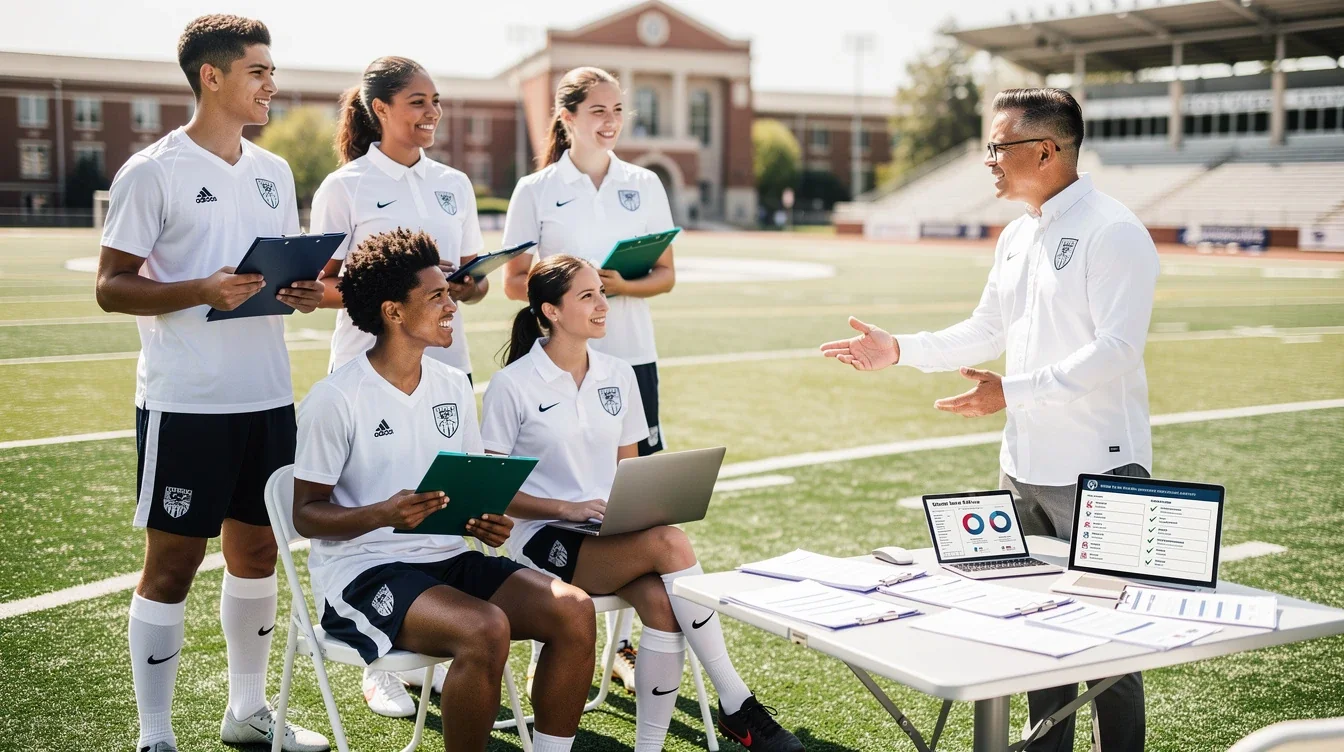
It’s natural to wonder where to even begin. Soccer scholarships—whether NCAA, NAIA, or NJCAA—are competitive, but there are clear eligibility rules you’ll need to meet. Each association has its own requirements, but most look at your athletic skills, academic record, and character. For first-generation students, the paperwork and terminology can seem especially daunting.
First, know that being a first-generation student can actually be a strength. Many coaches and admissions offices value the perseverance and grit it takes to forge a new path. However, eligibility starts with meeting the academic standards for college admission and the governing body’s requirements. For NCAA Division I and II, for example, you’ll need a certain GPA in core courses and qualifying SAT/ACT scores. NAIA and NJCAA have their own benchmarks, but all value student-athletes who are committed in the classroom as well as on the pitch.
Pro tip: Start gathering your transcripts, test scores, and personal statements early. These documents are the foundation of both your admissions and scholarship applications.
Building Your Soccer and Academic Resume
Your soccer skills will get you noticed, but your academic story matters just as much. Coaches are looking for players who can stay eligible once they’re on campus. That means your grades, course selection, and test scores are as much a part of your “highlight reel” as your goals and assists.
If you’re a first-generation student, it’s okay if you don’t know all the ins and outs of college prep—few do at first. Lean on your school counselor, teachers, and mentors. They can help you choose courses that meet NCAA or NAIA requirements and keep you on track with testing deadlines. Don’t forget to showcase your character and work ethic—qualities that coaches love and that often set first-generation students apart.
Pro tip: Create a simple resume that includes your academic achievements, leadership roles, community service, and soccer experience. Update it each season so you’re ready when a coach asks for it.
Navigating the Recruiting Process
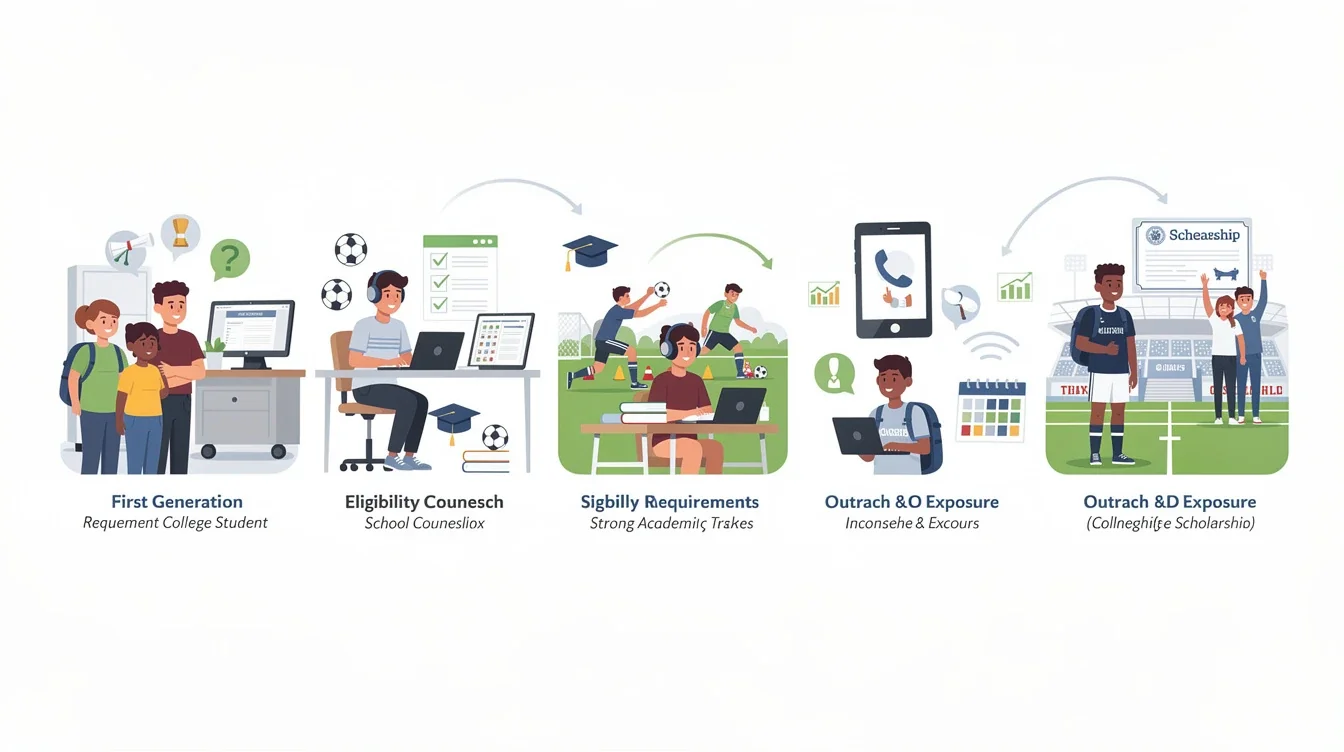
The recruiting process can feel like a maze, but you don’t have to go it alone. Start by making a list of colleges that fit your soccer level, academic interests, and personal values. Reach out to coaches with personalized emails—introduce yourself, share your resume, and express why you’re interested in their program. Don’t be discouraged if you don’t hear back right away. Persistence and respectful follow-up set you apart.
Remember, the NCAA, NAIA, and NJCAA all have rules about when and how coaches can contact you. Make sure you understand these timelines so you’re not caught off guard. Empower College Consulting can help you map out a communication plan and keep track of key dates.
Pro tip: Keep a spreadsheet with colleges, coach contact info, dates you reached out, and notes from conversations. Organization will make the process less stressful and help you spot opportunities.
Financial Aid Beyond Athletics
For first-generation students, understanding the financial aid landscape is critical. While athletic scholarships are valuable, they don’t always cover the full cost of attendance. That’s why it’s important to also explore academic scholarships, need-based grants, and other forms of aid.
Fill out the FAFSA (Free Application for Federal Student Aid) as early as possible—even if you’re not sure you’ll qualify for much. Many colleges use this form to award their own aid, and some soccer programs consider financial need when making scholarship offers. Don’t hesitate to ask the admissions or financial aid office for help; they’re used to working with students who are new to the process.
Pro tip: Apply for as many outside scholarships as you can find, even small ones. Every dollar helps, and many organizations want to support first-generation students.
Building Relationships and Seeking Mentorship
One of the most powerful tools in your journey is building relationships. Coaches, teachers, counselors, and mentors can open doors, offer advice, and encourage you when the going gets tough. At Empower College Consulting, we believe in the power of mentorship—it’s not just about getting to college, but thriving once you’re there.
Reach out to former players, current student-athletes, and anyone willing to share their story. Ask questions about their experiences, challenges, and what they wish they’d known. Not only will you gain practical tips, but you’ll also see that you’re not alone in your journey.
Pro tip: Don’t be afraid to ask for help. Most people are honored to support first-generation students and will remember your courage in reaching out.
Staying Focused on Holistic Development
It’s easy to get caught up in stats, rankings, and scholarship offers, but remember: your worth isn’t defined by a single game or a dollar amount. College coaches want student-athletes who are resilient, adaptable, and invested in their personal growth. Embrace your unique story—including the challenges you’ve faced as a first-generation student. Your character and faith are assets that go far beyond the soccer field.
Stay committed to your academics, relationships, and community involvement. These are the things that shape you into the kind of teammate, student, and leader that college programs want. Keep your long-term goals in sight and remember that college soccer is just one chapter in your bigger story.
Pro tip: Reflect regularly on your journey. Write down your goals, celebrate your progress, and lean on your support system during setbacks.
Conclusion
Being a first-generation college soccer recruit comes with its own set of hurdles, but it’s also an incredible opportunity to blaze a new trail for yourself and your family. At Empower College Consulting, we believe in your potential—on the field, in the classroom, and beyond. Take the process step by step, ask for help when you need it, and trust that your hard work and resilience will pay off. With a clear plan and a strong support network, you’ll be ready to seize every opportunity that comes your way. And remember: you’re not just earning a scholarship—you’re building a future.