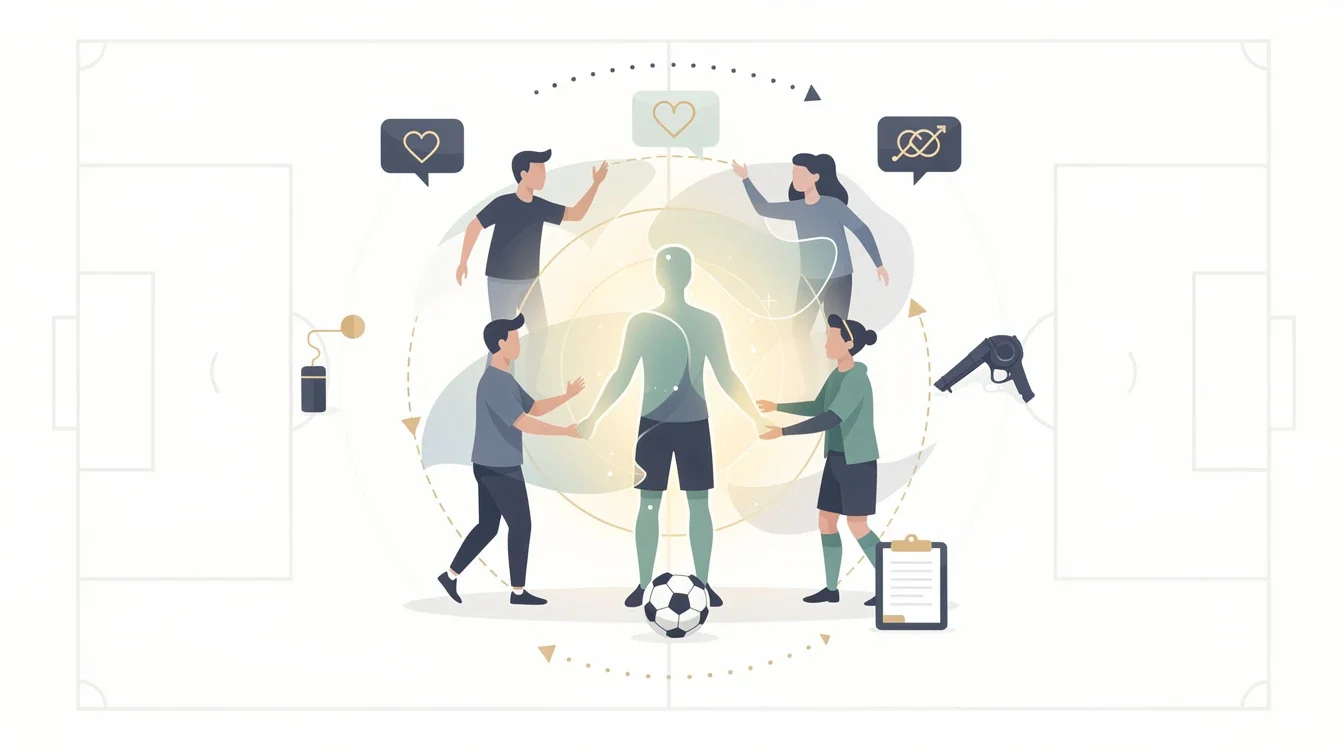

Picture this: A talented high school soccer player stands on the field, heart pounding as college coaches watch from the sidelines. The passes are crisp, the goals are memorable, and the athleticism is undeniable. But what about the moments in between—the way this player communicates with teammates, bounces back from mistakes, and leads by example? At Empower College Consulting, we know that what happens off the stat sheet can be just as important as what happens on it. Welcome to the world of emotional intelligence in college soccer recruiting.
The Importance of Emotional Intelligence
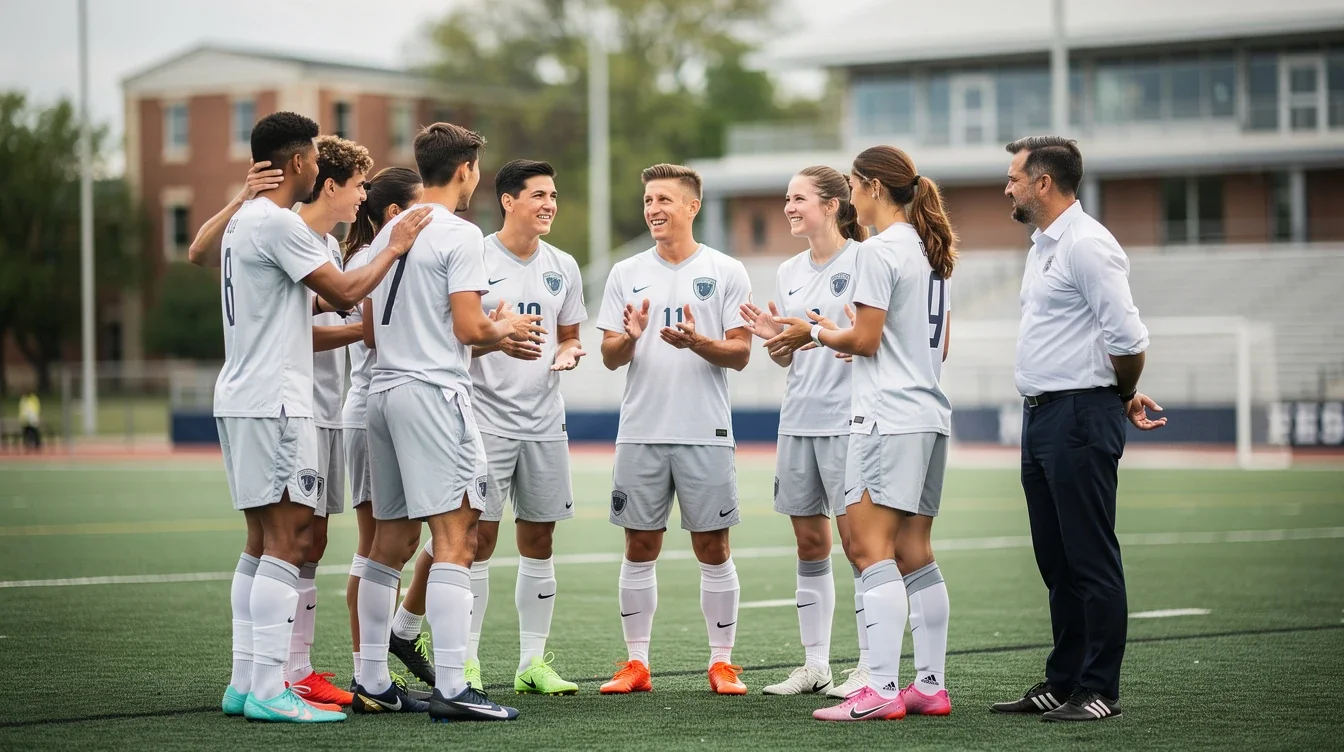
Emotional intelligence—often called EQ—might sound like a buzzword, but in the world of college soccer recruiting, it’s a game-changer. EQ is about understanding and managing your own emotions, as well as reading and responding to the emotions of others. For student-athletes, this can mean the difference between being seen as just another talented recruit or as a future leader and teammate who can handle the pressures of college athletics.
Coaches are looking for more than just skill and stats. They’re searching for players who can connect, adapt, and thrive in a team setting. Players with high emotional intelligence tend to communicate better, manage stress effectively, and display resilience in the face of setbacks. These qualities not only make a difference on the field but also contribute to a positive team culture and long-term success.
Pro tip: When you talk with coaches, don’t just discuss your highlights—share stories that show how you’ve grown emotionally and handled difficult situations.
EQ in the Recruiting Process
The college recruiting process is full of ups and downs. There are exhilarating moments—like getting invited to ID camps or receiving an email from a dream school—and tough moments, such as not making a showcase roster or getting turned down by a coach. How you handle these highs and lows says a lot about your emotional intelligence.
Coaches pay close attention to how recruits interact with their parents, communicate during campus visits, and respond to feedback or criticism. Are you coachable? Do you listen with respect and ask thoughtful questions? Are you able to bounce back from disappointment and stay optimistic? These are all subtle signs of EQ that coaches notice, often as much as your technical abilities.
At Empower College Consulting, we encourage our athletes and families to see every part of the process as a chance to demonstrate character. Whether you’re sending a thank-you note after a visit or supporting a rival teammate, your emotional intelligence is always on display.
Pro tip: After a tough game or a recruiting setback, reflect on what you learned and how you responded. Share these insights in your conversations with coaches.
Building EQ on and off the Field
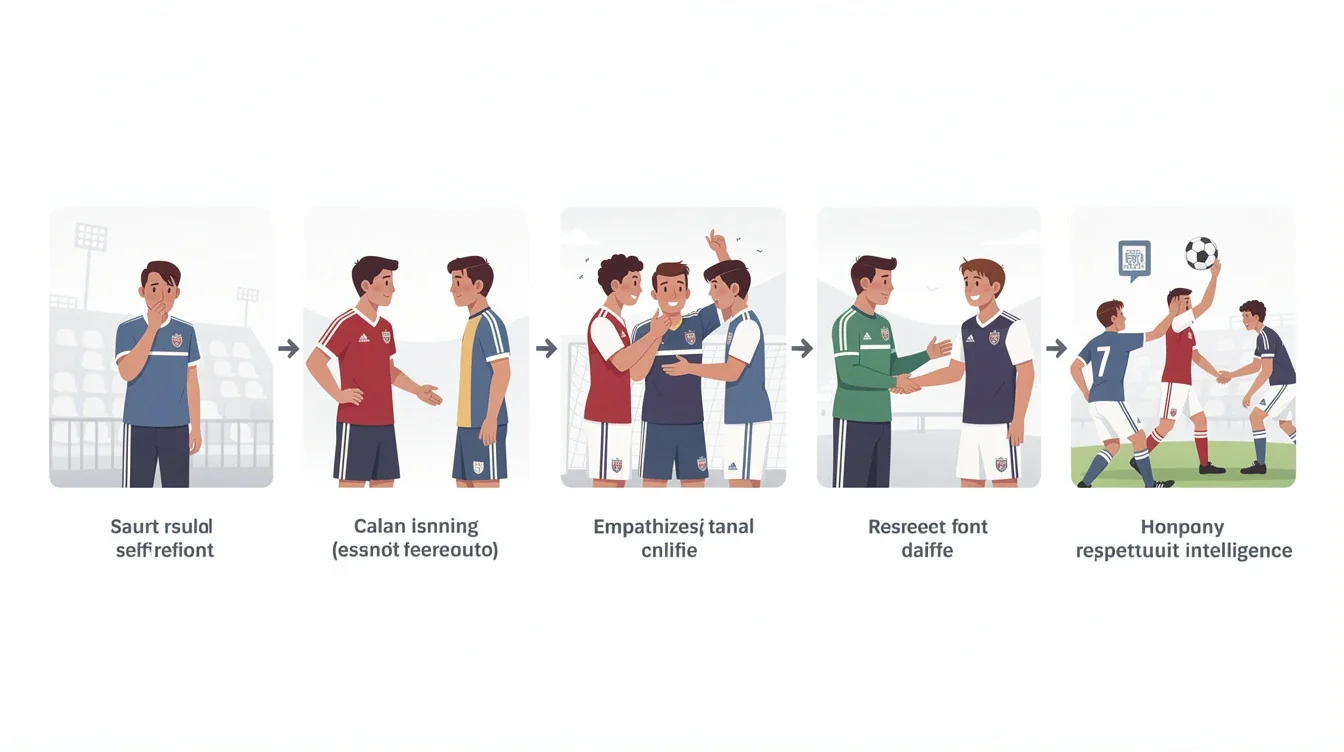
Emotional intelligence isn’t something you’re just born with—it’s a set of skills you can develop, both on and off the field. One of the best ways to grow your EQ is through self-awareness. Take note of how you react under pressure, how you handle criticism, and how you support your teammates when things get tough.
On the field, emotionally intelligent players are the ones who keep their heads up after a bad call, who encourage others even when they’re struggling, and who keep the team focused during pivotal moments. Off the field, EQ comes into play in academics, friendships, and family life—everyday situations that build resilience and empathy.
At Empower College Consulting, we believe that faith, character, and holistic development go hand-in-hand with soccer success. We encourage our athletes to pursue personal growth through journaling, mindfulness, or even just regular conversations about challenges and goals.
Pro tip: Make it a habit to check in with teammates or friends—asking how they’re doing and really listening. These small acts build emotional intelligence and stronger relationships.
What Coaches Are Really Looking For
When college coaches evaluate recruits, they’re looking for more than just a highlight reel. They want to know if you’ll be a positive influence in the locker room, if you’ll respond well to tough coaching, and if you can handle the demands of balancing academics, athletics, and life away from home.
Coaches will often ask for references—not just from your club coach, but from teachers, mentors, or even opponents. They may watch how you interact with your parents or how you react when you’re subbed out of a game. All of this gives them clues about your emotional intelligence and what kind of teammate you’ll be.
It’s important to be authentic in your interactions—not just saying what you think coaches want to hear, but showing them who you truly are. At Empower, we help our student-athletes craft their story in a way that highlights both their strengths and the ways they’ve overcome adversity.
Pro tip: Before meeting with a coach, practice answering questions about challenges you’ve faced and how you handled them. This preparation helps you share your story with confidence and authenticity.
EQ in Family and Team Relationships
The college recruiting journey isn’t just about the student-athlete—it’s a family affair. Parents, siblings, and teammates all play a role in supporting (and sometimes challenging) the process. Emotional intelligence can make these relationships stronger and the journey smoother.
For parents, it means knowing when to offer advice and when to step back. For athletes, it’s about communicating openly with family, expressing gratitude, and managing stress in healthy ways. Within a team, EQ shows up in peer leadership, conflict resolution, and the ability to build trust with others.
At Empower College Consulting, we emphasize honest conversations and mutual respect among all members of the recruiting journey. We know that athletes who can navigate family dynamics and team relationships with emotional intelligence are better prepared for the independence of college life.
Pro tip: Schedule regular family check-ins to discuss recruiting progress, challenges, and feelings. Open dialogue keeps everyone aligned and supported.
EQ for Long-Term Success
Emotional intelligence isn’t just a recruiting advantage—it’s a life skill. The same qualities that help you stand out to college coaches will serve you well in academics, relationships, and your future career. The college soccer journey is a time of growth, and cultivating EQ will help you handle new environments, diverse teammates, and the inevitable ups and downs of college athletics.
At Empower College Consulting, we’re committed to supporting our athletes in every aspect of their development—not just as soccer players, but as young adults ready to take on the world with empathy, resilience, and purpose.
Pro tip: Remember that growth takes time. Celebrate your progress, learn from your setbacks, and stay committed to building your emotional intelligence each day.
Conclusion
Soccer will always be a game of skill and athleticism, but the players who go the farthest are often those with the highest emotional intelligence. At Empower College Consulting, we believe that character, faith, and holistic growth are just as important as stats and scholarships. By focusing on your emotional intelligence—how you handle challenges, connect with others, and lead with empathy—you’ll not only stand out in the college recruiting process, but you’ll also prepare yourself for a lifetime of success, both on and off the field.
If you’re ready to take the next step in your college soccer journey, remember: every conversation, every setback, and every moment is a chance to build your EQ. And we’ll be here to guide you, every step of the way.