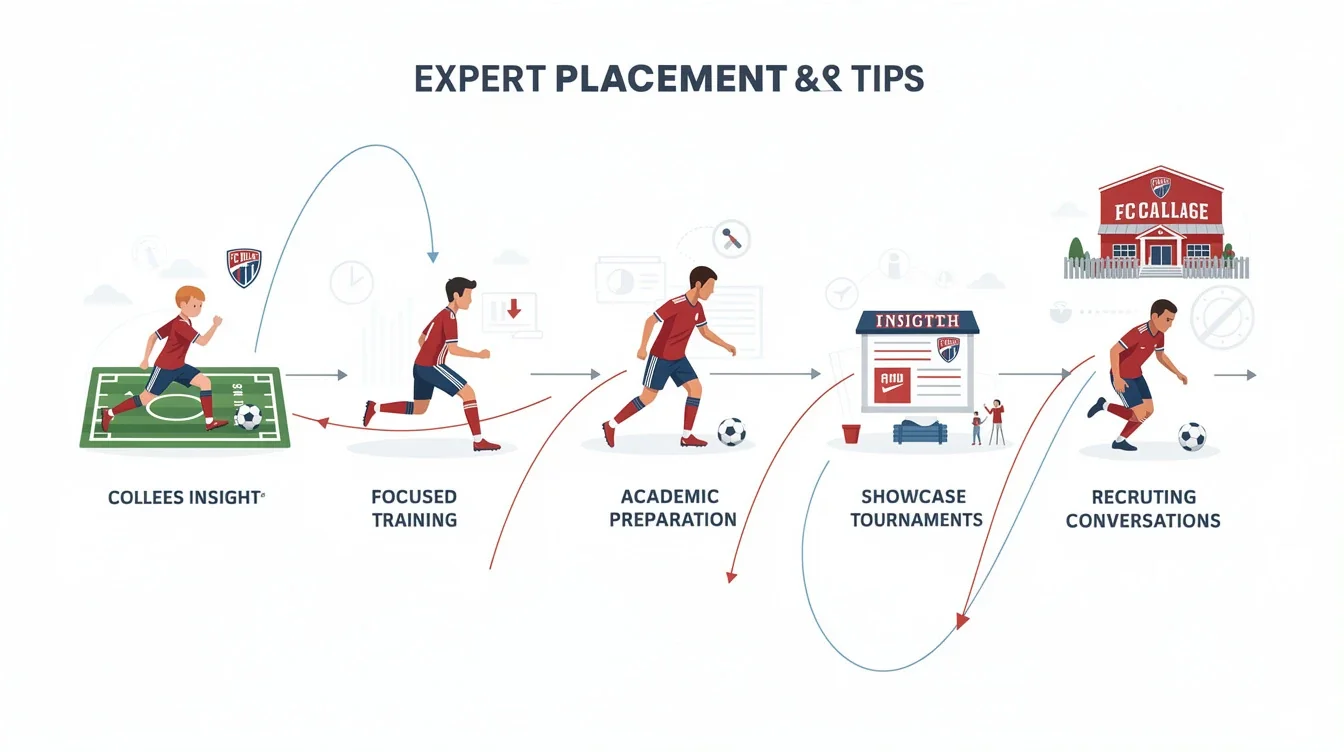

For many aspiring soccer players, the dream of playing at the highest collegiate level starts early—often on the fields of top youth clubs like FC Dallas. But getting from youth soccer to a college roster spot is about so much more than talent. It’s a journey of growth, resilience, and informed choices, guided by mentors who value both the player and the person. At Empower College Consulting, we’ve seen how the right guidance can shape not just a recruit’s athletic future, but their character and life beyond the pitch. In this case study, we’ll explore the real-world path of an FC Dallas player through the college placement process, highlighting the lessons, strategies, and relationships that made the difference.
The Foundation: FC Dallas and Player Development
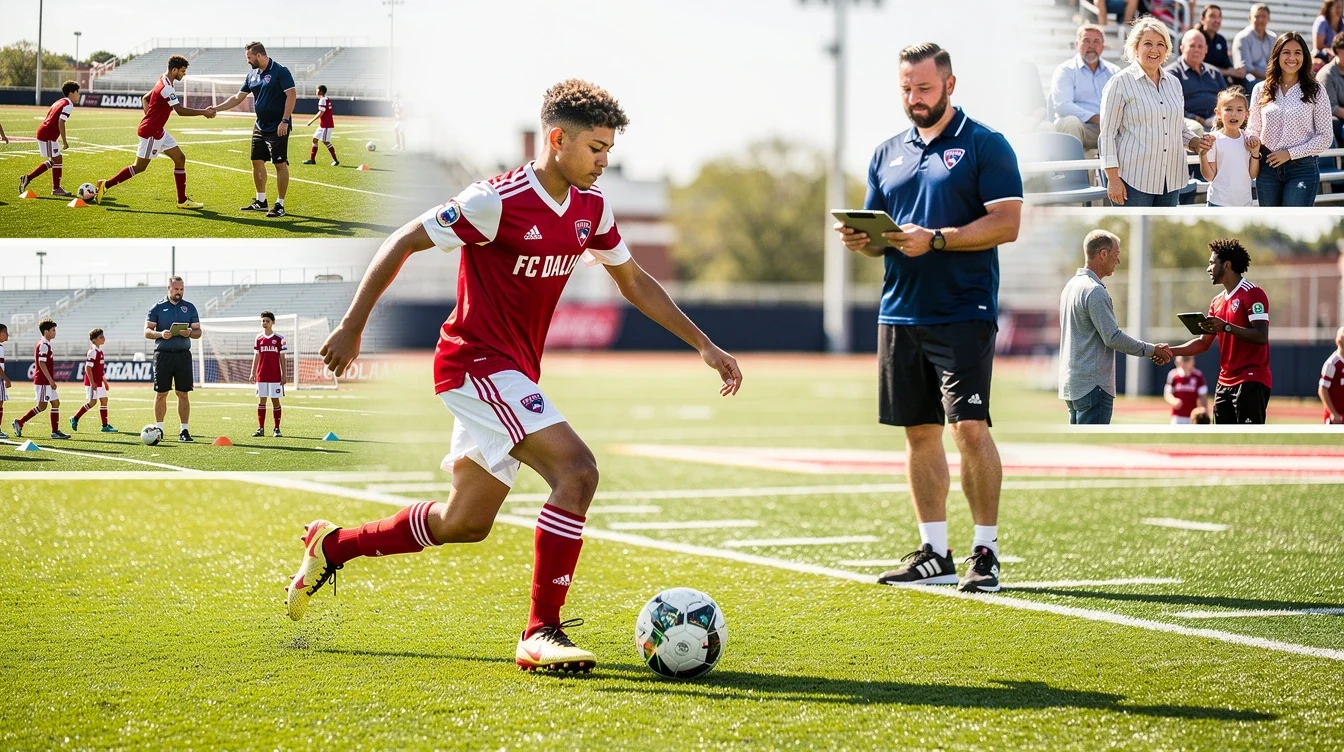
FC Dallas is well-known for its elite academy, producing players who go on to shine in the NCAA, NAIA, and even the professional ranks. But no matter how skilled you are, college placement isn’t automatic. In our experience, the club environment provides a fantastic foundation—coaching, competition, and exposure—but it’s only the beginning.
Players in the FC Dallas system are surrounded by high standards. Training sessions mimic the intensity of college programs, and the schedule is relentless. This environment builds technical ability and tactical understanding, but perhaps more importantly, it shapes habits: discipline, time management, and teamwork.
Our case study player, let’s call him Alex, stood out not just for his footwork, but for his character. Coaches noticed his leadership in training and his willingness to learn. These qualities became crucial as he began considering college options.
Pro tip: College coaches are looking for more than just skill—they’re looking for players who fit their culture and embody leadership, resilience, and maturity.
Navigating the Recruiting Landscape
As Alex approached his junior year of high school, he faced a maze of recruiting events, ID camps, and showcase tournaments. The options seemed endless, and the pressure was real. Like many, he and his family felt overwhelmed by the process—where to start, who to talk to, and how to stand out among hundreds of talented players.
That’s where mentorship matters. Our approach at Empower College Consulting is to become a trusted partner for both the player and their family. We sat down with Alex and his parents to clarify their goals. Did Alex want to play Division I, II, or III? What academic programs mattered? How far from home was he willing to go?
From there, we built a personalized recruiting timeline. We helped Alex craft his player profile, highlight video, and introduction emails to coaches. More importantly, we helped him understand that the recruiting process isn’t just about self-promotion. It’s about building genuine relationships with coaches—asking questions, showing interest in their programs, and being honest about his own values.
Pro tip: Treat every interaction with a college coach as an opportunity to show your character and curiosity, not just your statistics.
Building Relationships: The Key to Placement
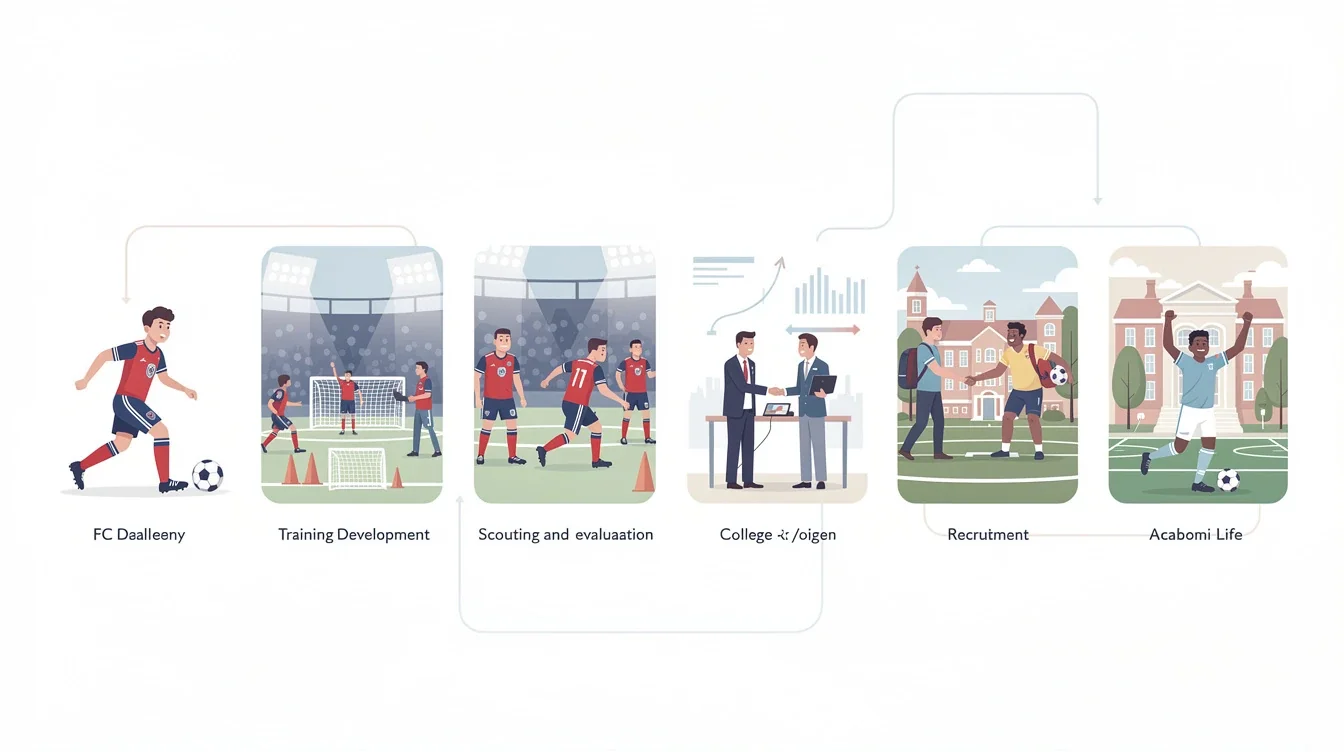
One of the biggest myths in college recruiting is that exposure alone gets you placed. The truth is, relationships open doors. Alex attended several college ID camps recommended by his FC Dallas coaches and Empower mentors—not just the biggest events, but the ones where he’d have meaningful contact with programs that matched his goals.
At each camp, Alex stood out for his work rate and coachability. But what really made an impression was his follow-up. After each event, he sent thoughtful thank-you notes to coaches, referencing specifics they’d discussed or drills they’d run. These small gestures matter—they demonstrate gratitude, attention to detail, and a real desire to connect.
Through this process, Alex deepened relationships with two programs that resonated with his academic and athletic goals. Coaches saw his consistency, both on the field and in his communication. Even when offers didn’t immediately materialize, he kept the dialogue going, asking for feedback and expressing his continued interest.
Pro tip: Persistence and genuine communication often make a bigger impact than a single standout performance.
Balancing Academics, Athletics, and Character
As the recruiting process ramped up, Alex faced another challenge: balancing his demanding club schedule with academics, family commitments, and his growing faith. At Empower, we emphasize that college coaches are looking for whole-person recruits—athletes who can handle the rigors of college life, contribute to their community, and represent their program with integrity.
Alex set academic and personal goals alongside his soccer ambitions. He volunteered in his church youth group, maintained a strong GPA, and made time for family. These weren’t just bullet points on a resume—they shaped who he was as a teammate and a leader.
When coaches asked about his life outside of soccer, Alex had real stories to share—about leading a service project, turning around a tough academic semester, or supporting a teammate through injury. These moments revealed his character and set him apart from players who focused solely on stats and accolades.
Pro tip: Develop your off-field story. Coaches want to know how you’ll contribute to their campus community, not just their score sheet.
The Decision: Finding the Right Fit
By senior year, Alex had several options on the table—each with its own set of strengths and trade-offs. Some programs promised a big stage but limited playing time; others offered a holistic fit but less national exposure. Through ongoing conversations with his Empower mentor and family, Alex weighed his priorities: a supportive coaching staff, a strong academic program, and a locker room culture that reflected his values.
Ultimately, Alex chose an NCAA Division II school that aligned with his academic interests and offered a realistic path to playing time as a freshman. The coaches had tracked his progress for over a year, valued his leadership, and respected his commitment to character and faith.
That decision didn’t just happen overnight. It was the result of intentional relationship-building, self-reflection, and a willingness to trust the process—even when it meant turning down flashier options.
Pro tip: The “right fit” is different for everyone. Focus on where you’ll grow as a player and person, not just where you’ll get the most Instagram likes.
Life After Placement: The Journey Continues
College placement isn’t the finish line—it’s the start of a new chapter. For Alex, the transition to college soccer brought new challenges: faster play, higher expectations, and the need to manage a full academic load. But because he’d approached the process with maturity and support, he adapted quickly. He became a leader on his team, made lifelong friends, and thrived in the classroom.
At Empower College Consulting, we stay connected with athletes like Alex long after the signing day photos are taken. We believe that true mentorship is a long-term investment—helping players navigate not just recruiting, but the ups and downs of college, career choices, and life beyond sport.
Alex’s story is a testament to the power of holistic development. The same qualities that made him a standout at FC Dallas—work ethic, humility, faith, and resilience—carried him through the college transition and beyond.
Pro tip: The habits and relationships you build during the recruiting process will serve you well long after your last college game.
Conclusion
The path from the FC Dallas academy to college soccer is as much about relationships, character, and intentionality as it is about athletic ability. Alex’s journey demonstrates that with the right guidance, a strong support system, and a commitment to personal growth, the college placement process becomes an opportunity for lifelong development.
At Empower College Consulting, we’re honored to walk alongside players and families at every step—helping them navigate uncertainty, celebrate milestones, and build foundations for success on and off the field. If you’re starting your own recruiting journey, remember: you’re not alone, and the lessons you learn along the way will shape your future far beyond the game.