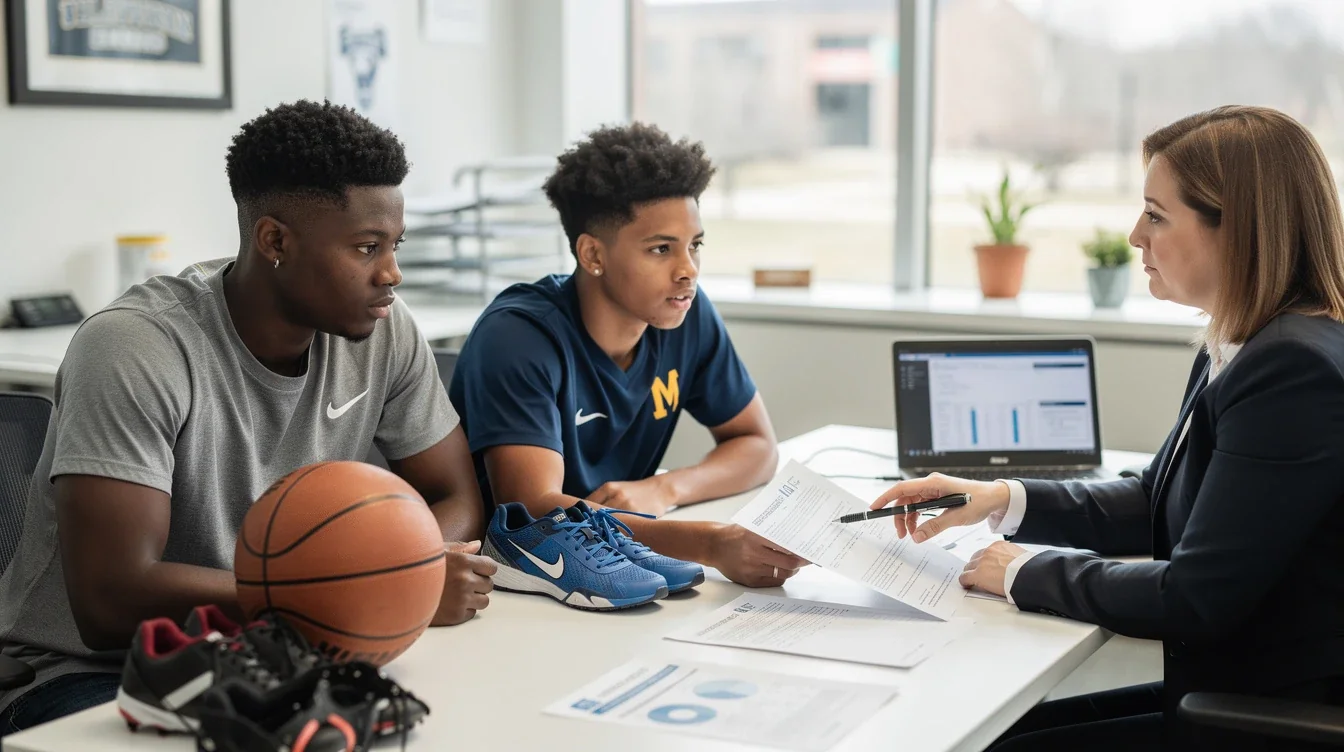

Dreaming of playing college soccer is a massive goal—especially if you’re the first in your family to take this path. The NCAA eligibility process can feel overwhelming, full of unfamiliar rules and complicated steps. At Empower College Consulting, we've guided hundreds of first-generation athletes and their families through this journey. We believe in blending mentorship with practical wisdom, so you'll never feel alone as you turn your dreams into reality. Let’s walk through what you need to know, and how to approach each step with confidence and clarity.
Understanding NCAA Eligibility Basics
First things first—the NCAA (National Collegiate Athletic Association) is the main governing body for college sports in the U. S. It organizes athletic programs at more than 1,000 colleges, with specific rules to ensure fair play and academic integrity. NCAA eligibility is about more than just your soccer skills. You’ll need to meet academic benchmarks, complete the right courses, and register with the NCAA Eligibility Center.
For first-generation athletes, these requirements might be brand new territory. Your family may not be familiar with terms like "core courses" or know the difference between Division I and Division II standards. That’s totally normal! The key is to start learning early and reach out for help when you need it.
Pro tip: Don’t be afraid to ask questions—coaches, school counselors, and consultants exist to support you. There’s no such thing as a “dumb” question in this process.
Academic Requirements and Course Planning
Academics play a huge role in NCAA eligibility, sometimes even more than raw athletic talent. The NCAA wants to see that you’re prepared to succeed in college, which means completing a set number of “core courses” in high school—think English, math, science, and social studies. Each NCAA division has slightly different requirements, but most student-athletes need to complete 16 core courses, maintain a minimum GPA, and achieve an eligible SAT or ACT score.
If you’re the first in your family to go to college, it might not be obvious which classes count or how to plan your schedule. Start by meeting with your high school counselor early—ideally during your freshman year. Ask them to help you map out your four-year academic plan, making sure every course fits the NCAA core requirements. If you transfer schools or have to make up classes, double-check how those changes affect your eligibility.
Pro tip: Use the NCAA’s list of approved core courses for your high school (your counselor can access this). Not every class that “sounds right” will actually count!
Registering with the NCAA Eligibility Center
Registration is a crucial step that often catches families by surprise. Before you can even talk to Division I or II college coaches, you must create a profile with the NCAA Eligibility Center. This online portal verifies your academic records and amateur status. Many first-generation athletes don’t realize this step exists until it’s almost too late, which can lead to unnecessary stress.
You’ll need to gather transcripts, standardized test scores, and possibly proof of amateur status (which just means you haven’t played professionally or accepted certain kinds of payment for your sport). The process isn’t complicated, but it does require organization and attention to detail. If paperwork isn’t your family’s strong suit, ask your high school counselor or a consultant to walk you through each section.
Pro tip: Register with the NCAA Eligibility Center by the end of your sophomore year. This gives you time to fix any missing courses or paperwork before recruiting heats up.
Building Relationships With Coaches
A big part of NCAA eligibility is understanding that coaches are looking at more than your soccer stats—they want to know you as a whole person. First-generation athletes often feel at a disadvantage here, unsure how to “sell themselves” or what to say in those first emails or calls. Remember, coaches appreciate authenticity and effort. Introduce yourself, share your story, and highlight your work ethic and character. Your journey as a first-generation athlete is a source of strength, not something you need to hide.
Don’t worry if your parents can’t answer every question or guide you through the process. Coaches and recruiting coordinators expect to help with those gaps. They recognize the challenges first-gen students face and often go out of their way to provide extra guidance.
Pro tip: Keep a spreadsheet or journal of your coach contacts, conversations, and next steps. This helps you stay organized and shows coaches you’re serious about the process.
Navigating Financial Aid and Scholarships
The financial side of college can be intimidating, especially if you’re blazing the trail for your family. The NCAA offers both athletic scholarships (for Divisions I and II) and opportunities for academic aid. But every college is different, and the paperwork—especially FAFSA and institutional aid forms—can feel like learning a new language.
Start early by gathering your family’s financial documents and learning the basics of how scholarships work. Talk to your high school’s financial aid advisor or a trusted mentor about deadlines and requirements. Remember, need-based aid is available even if you don’t get a full athletic scholarship. Many first-generation families worry about affording college, but with the right applications and persistence, it’s possible to combine athletic, academic, and need-based awards.
Pro tip: Many schools offer fee waivers for the NCAA Eligibility Center and college applications if you qualify for free or reduced lunch. Don’t let application fees hold you back.
Balancing Soccer, School, and Personal Growth
One of the biggest challenges for first-generation athletes is balancing the demands of high-level soccer with academics and family life. It’s easy to feel like you’re carrying the weight of your family’s hopes on your shoulders. But remember: college recruiting is about your growth as a person, not just as a player. Coaches look for athletes who show resilience, leadership, and a willingness to learn.
At Empower College Consulting, we emphasize holistic development. That means building time-management skills, finding mentors, and staying connected to your values—whether that’s faith, community service, or simply being a good teammate. Don’t neglect your mental health or sacrifice your happiness for a goal. The recruiting process should be challenging, but not overwhelming.
Pro tip: Set aside time each week to reflect on your journey. Journal about your progress, challenges, and what you’re learning. This reflection will help you stay motivated and remind you why you started.
Conclusion
Navigating NCAA eligibility as a first-generation athlete is a journey, not a sprint. It’s okay to feel uncertain or overwhelmed at times—that’s part of the process. The most important thing is to keep asking questions, seek out mentors, and remember that you’re never alone. At Empower College Consulting, we’re committed to walking alongside you every step of the way, championing your character, your dreams, and your future. You’ve got what it takes to succeed on and off the field. Let’s get started—to gether.