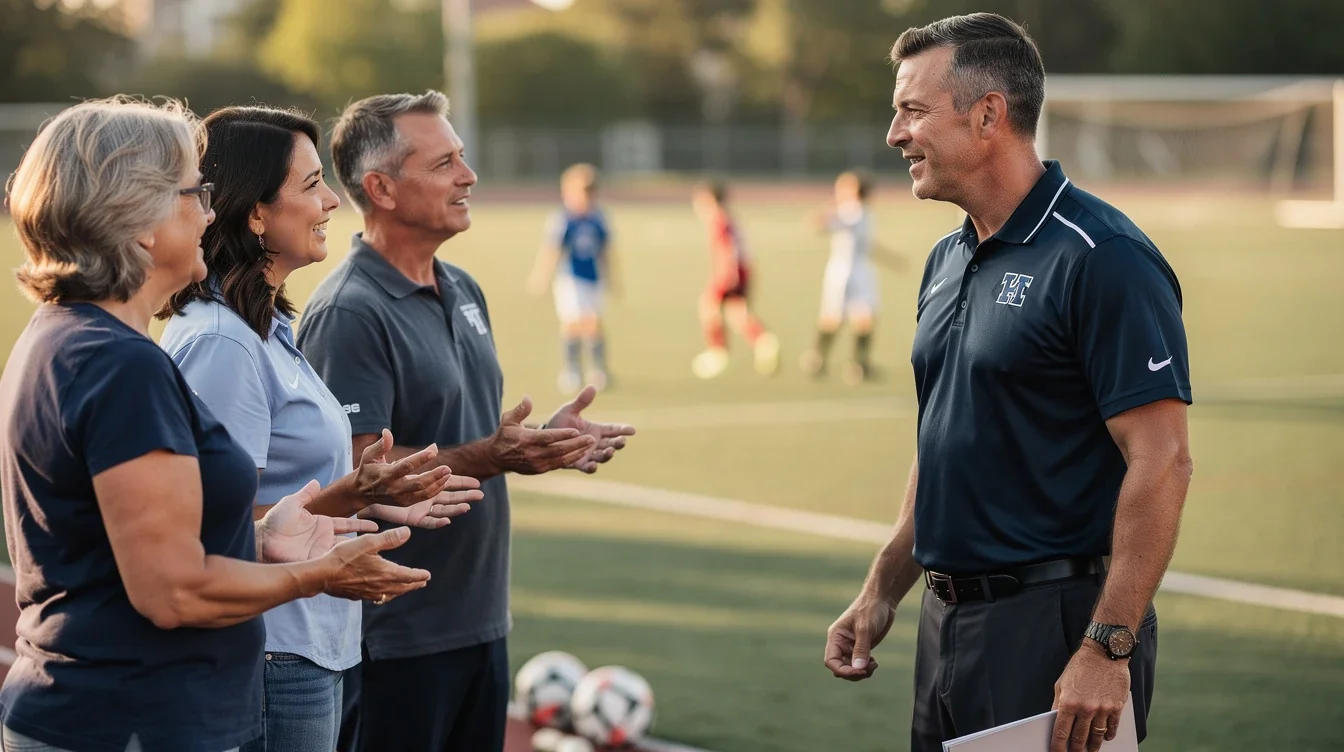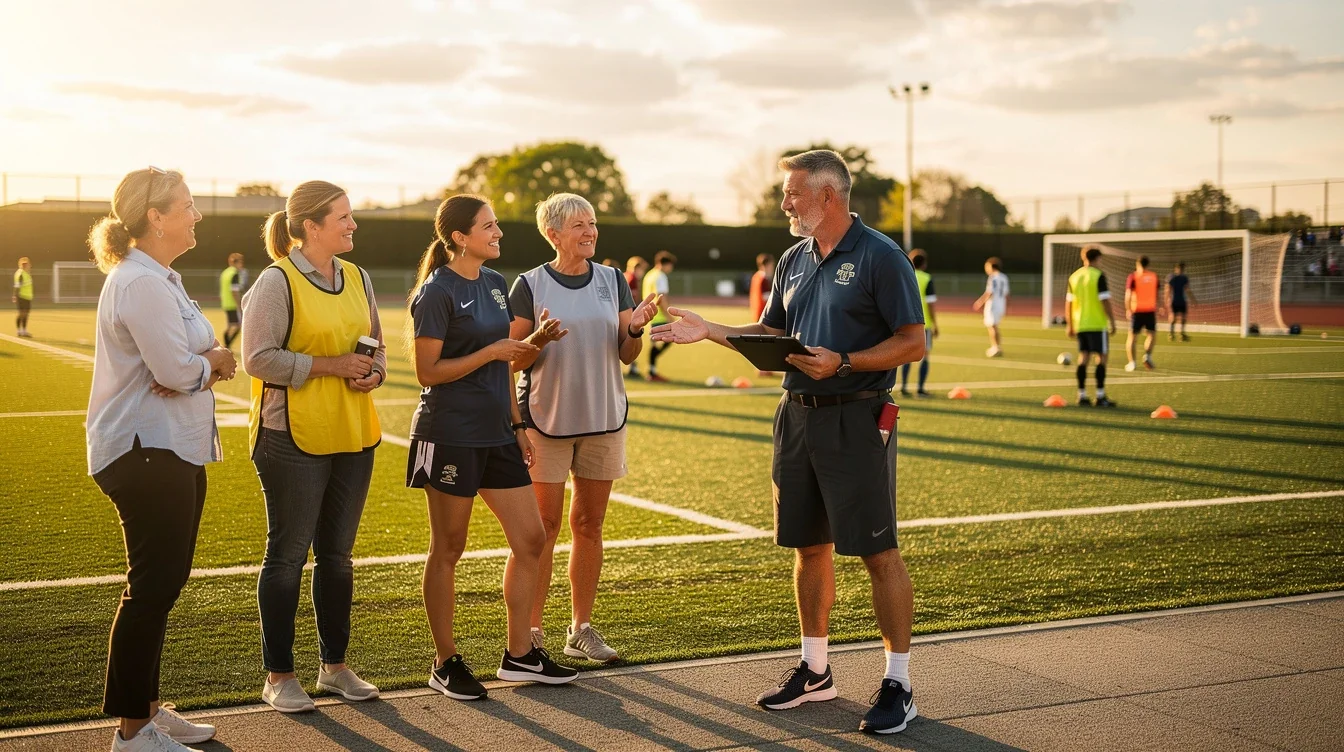

The college soccer recruiting process is an exciting, transformative time for student-athletes and their families. For many, it's the culmination of years of hard work, early-morning practices, and countless sacrifices. But while the spotlight often shines brightest on the players, it's impossible to overstate the vital role parents play. Clear, effective communication between parents, players, and coaches doesn’t just reduce confusion or stress—it can open doors, build trust, and help young athletes thrive on and off the field. At Empower College Consulting, we know that great communication is the foundation not only of a successful recruiting journey, but of a positive, character-building experience that lasts a lifetime.
Understanding the Parent’s Role

Parents are more than cheerleaders on the sidelines—they’re mentors, advocates, and trusted advisors. However, balancing support with independence can be challenging. The recruiting process is often a young person’s first real taste of adulthood, with big decisions, new responsibilities, and sometimes, tough conversations. Parents naturally want to help, but too much involvement can unintentionally overshadow the athlete’s voice or hinder their growth.
The key is to walk alongside your child, not in front of them. Encourage them to take ownership of communication with college coaches, but be present to offer guidance, help them organize their thoughts, and reflect on their goals. Ask open-ended questions: What are you looking for in a college? How do you feel about this coach’s message? What excites you—and what worries you—about the process? These conversations cultivate character, self-awareness, and decision-making skills.
Pro tip: Model the kind of communication you hope your child will use. Practice active listening, empathy, and honesty in your own family discussions about recruiting.
Communicating with College Coaches
Reaching out to college coaches is both thrilling and nerve-wracking for players. Parents often wonder how involved they should be in these conversations. The truth is, coaches want to get to know the athlete first and foremost. Still, parents have an important supporting role.
Empower your child to initiate and manage their own communications—emails, phone calls, campus visits—while you provide oversight and encouragement. Help them prepare questions for coaches, review messages for professionalism, and remind them to follow up and express gratitude. If a coach wants to speak directly with parents, use the opportunity to ask about team culture, academic support, and the coach’s expectations for parent involvement.
Remember, transparency is everything. Be honest about your family’s values, financial considerations, and what you hope your child will gain from their college years. Coaches appreciate families who are upfront and thoughtful—it helps them build genuine, long-lasting relationships.
Pro tip: Keep a simple journal or spreadsheet to track communications with coaches, noting dates, impressions, and next steps. This helps everyone stay organized and reduces stress.
Navigating Family Dynamics
The recruiting journey can bring families closer, but it can also stir up anxiety, disagreements, or even sibling rivalry. It’s natural for parents and athletes to have different perspectives on priorities: one may focus on playing time, another on academics, another on faith or campus life.
Open, ongoing dialogue is essential. Set aside regular times to check in as a family, review recruiting updates, and make sure everyone feels heard. Acknowledge that there may be tension or disappointment along the way, and that’s okay. What matters most is that you face these challenges to gether, with patience and grace.
Sometimes, it helps to bring in a third party—like a trusted coach or college advisor—to facilitate tough conversations or provide an outside perspective. At Empower College Consulting, we’re here to support not just the athlete, but the whole family, helping you navigate the emotional ups and downs as a team.
Pro tip: Create a family mission statement for the recruiting process, outlining your shared values and what “success” looks like for your student-athlete, both on and off the field.
Building Character Through Communication
The recruiting process isn’t just about finding the right soccer program—it’s about developing life skills that will serve your child long after the final whistle. Effective communication teaches responsibility, resilience, and respect. It’s an opportunity for young athletes to learn how to advocate for themselves, handle rejection, and build lasting relationships based on trust and integrity.
Parents, your example matters. Show your child how to handle setbacks with grace, how to address conflicts with humility, and how to celebrate successes with gratitude. Praise effort over outcome, and remind them that their worth isn’t defined by the number of offers they receive.
Encourage your child to reflect on their conversations with coaches and teammates: What did they learn? What would they do differently next time? This growth mindset not only improves communication skills, but lays the groundwork for holistic development—academically, athletically, and personally.
Pro tip: After important calls or meetings, debrief as a family. Ask your child what went well, what was challenging, and how they felt about the interaction. This builds confidence and self-awareness.
The Power of Long-Term Relationships
At Empower College Consulting, we believe that recruiting is more than a transaction—it’s the beginning of a lifelong journey. The relationships forged during this process can have a profound impact, shaping not just a college career, but the person your child becomes. That’s why we stress the importance of authentic, ongoing communication with coaches, teammates, and mentors.
Remind your child that how they interact with coaches and programs today can create opportunities down the road—even if their path takes unexpected turns. A simple thank-you note, a thoughtful follow-up, or a respectful conversation can leave lasting impressions. And for parents, maintaining positive, transparent communication with advisors and coaches models professionalism and respect.
Don’t be afraid to ask for help or guidance along the way. The college recruiting landscape is complex, and every family’s journey is unique. By investing in relationships and keeping the lines of communication open, you’ll help your child develop not only as an athlete, but as a leader and person of character.
Pro tip: Encourage your child to keep in touch with coaches or mentors, even if they don’t choose a particular program. Doors have a way of opening—and reopening—when relationships are built on sincerity and respect.
Conclusion
The college soccer recruiting process is both a challenge and a gift. It’s a time of growth, learning, and self-discovery for student-athletes and their families. At Empower College Consulting, we’ve seen firsthand how effective parent communication can transform this journey—not just by opening doors to college programs, but by nurturing the character, faith, and holistic development that matter most.
As you walk this path with your child, remember that your words, actions, and presence leave a lasting impact. Embrace the opportunity to listen, guide, and grow to gether. With open hearts and open minds, you’ll not only help your student-athlete find the right fit on the field, but set the stage for a lifetime of meaningful relationships and success.