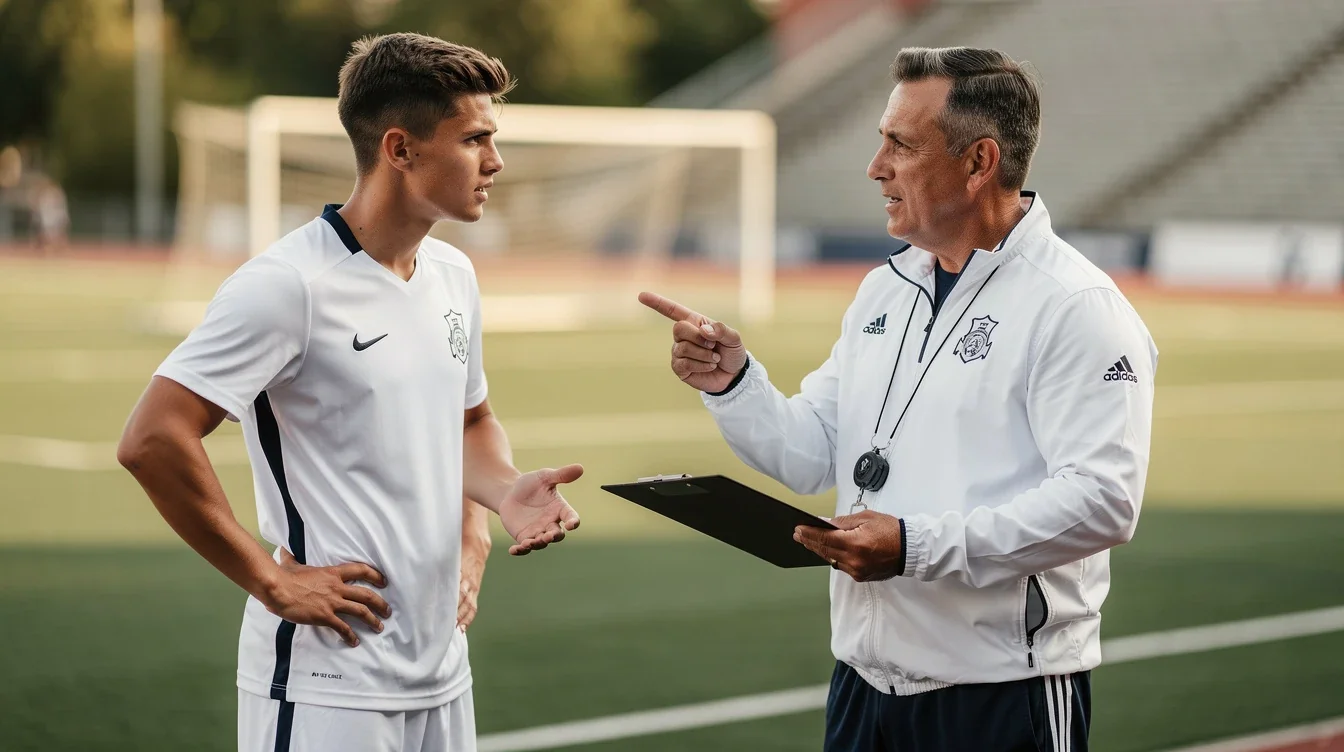

Reaching out to college soccer coaches is one of the most important steps in your recruiting journey. It can also be one of the most intimidating. At Empower College Consulting, we’ve guided hundreds of student-athletes and families through these early conversations, and we know just how much hinges on communicating well. Whether you're a freshman just starting out or a senior narrowing down your options, building authentic, respectful relationships with coaches is the foundation of a successful recruiting process. Let's dive into how you can communicate with college soccer coaches effectively and make your next email, call, or campus visit count.
Understanding the Coach's Perspective

Before you ever write your first email or pick up the phone, it helps to put yourself in the coach’s shoes. College coaches receive hundreds—sometimes thousands—of messages from prospective players each year. They’re looking for athletes who not only have the talent to compete at their level, but also the character, work ethic, and academic commitment to thrive in their program.
When you reach out, remember that coaches are evaluating more than just your stats. They want to see if you’re a good fit for their team culture, if you have the maturity to handle college athletics, and if you’ll represent their school well both on and off the field. Every communication is a chance to show them you’re that kind of student-athlete.
Pro tip: Coaches notice when you show genuine interest in their specific program—not just any school. Take the time to learn about their team’s values, playing style, and recent accomplishments before you reach out.
Crafting Your First Message
The first email or message you send to a coach is your chance to make a memorable first impression. Think of it as your highlight reel off the field. A great introduction is personal, concise, and authentic. Start by addressing the coach by name and briefly explaining why you’re interested in their program. Mention something specific you’ve learned about their team—maybe a recent tournament win, a unique tradition, or their player development philosophy.
Share a snapshot of your soccer journey, including your position, key stats, and academic achievements. Attach a link to your highlight video or game footage if you have one, and always include your contact info and graduation year. Most importantly, be yourself. Coaches can spot copy-paste emails from a mile away.
Pro tip: Double-check the spelling of the coach’s name and school. It seems small, but attention to detail speaks volumes about your character and respect for their time.
Following Up and Staying Organized
After you’ve sent that first message, don’t be discouraged if you don’t hear back right away. Coaches are busy, and sometimes messages get lost in the shuffle. It’s perfectly appropriate to follow up after a week or two if you haven’t received a reply. Keep your follow-up short and polite—simply let them know you’re still interested and would love to hear about any opportunities with their program.
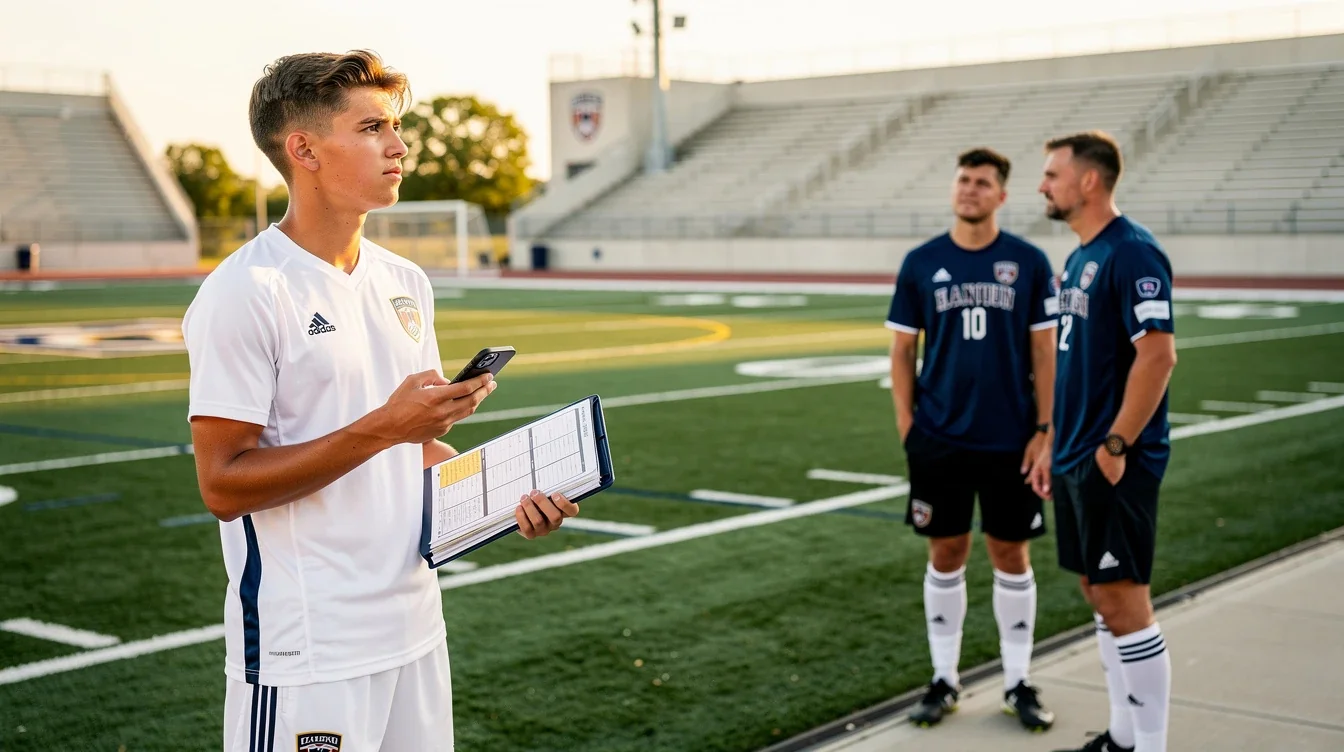
As you begin communicating with multiple coaches, staying organized is key. Create a spreadsheet or notebook to track who you’ve contacted, when you reached out, and any responses you’ve received. This will help you personalize your future messages and avoid sending duplicates.
Pro tip: Don’t be afraid to ask thoughtful questions in your follow-ups. Coaches appreciate curiosity—asking about team culture, training routines, or academic support shows you’re thinking long-term.
Building Genuine Relationships
The recruiting process isn’t just about selling yourself; it’s about building real, lasting relationships with coaches. That means staying engaged beyond the initial email. If a coach replies, respond promptly and thoughtfully. Be honest about your goals and interests, and don’t shy away from sharing your values—whether that’s faith, leadership, community service, or your vision for your college experience.
Remember, coaches are looking for players who will add to their team dynamic, not just their win column. Show gratitude for their time and guidance, and don’t take rejection personally. Sometimes, not being a fit for one program opens the door to a better opportunity elsewhere. Your reputation as a respectful, proactive communicator can lead to unexpected connections and recommendations down the line.
Pro tip: Keep your family involved but take the lead in your communications. Coaches want to hear directly from you, not just your parents. This shows maturity and ownership of your journey.
Communicating During Campus Visits
Campus visits—whether official or unofficial—are another great opportunity to build your relationship with a coach. Before your visit, prepare thoughtful questions about their program, team culture, and support systems. Dress professionally and arrive on time; first impressions matter both on and off the field.
During your visit, listen as much as you talk. Coaches appreciate players who ask good questions and genuinely engage in the conversation. Take notes, be honest about your interests and concerns, and thank the coach for their time at the end of your meeting.
After your visit, send a thank-you email highlighting what you enjoyed or learned during your time on campus. This small gesture reinforces your interest and leaves a positive impression.
Pro tip: Ask to meet current players or tour athletic facilities during your visit. Hearing directly from team members can give you unique insights into the program’s culture.
Handling Difficult Conversations
Not every conversation with a coach will be easy. You might receive feedback you didn’t expect, or learn that a program isn’t the right fit for you. It’s natural to feel disappointed, but remember that honesty—on both sides—is crucial for your growth. If a coach suggests areas for improvement, thank them and use their advice to fuel your development. If you need to turn down an offer or let a coach know you’re committing elsewhere, communicate clearly and respectfully.
Never burn bridges. A coach you connect with today might help you tomorrow, even if you don’t end up playing for their team. The soccer community is tight-knit, and your reputation for integrity and gratitude will follow you wherever you go.
Pro tip: Practice tough conversations with a trusted mentor or counselor before having them with a coach. This can help you find the right words and approach these moments with confidence.
Conclusion
Communicating with college soccer coaches is about so much more than just sharing your stats or highlight reel. It’s about building lasting relationships, showing your character, and making thoughtful decisions for your future. At Empower College Consulting, we believe that the recruiting process is an opportunity for holistic growth—athletically, academically, and personally. Remember, every email, call, or campus visit is a chance to learn, connect, and show the unique person you bring to the game. Stay authentic, be proactive, and don’t be afraid to lean on mentors and family along the way. Your journey is just beginning, and we’re here to walk it with you every step of the way.