When you think about college soccer recruiting, your mind probably races to stats and game footage, maybe even highlight reels and summer showcases. But there’s a powerful, often-overlooked ingredient that can set you apart—not just as an athlete, but as a person of substance and character. Early leadership through volunteer roles can shape your journey, influence coaches, and impact your future far beyond the pitch. At Empower College Consulting, we believe in nurturing the whole player—mind, body, and spirit—so let’s explore how stepping into volunteer leadership can elevate your recruiting story.
Why Leadership Off the Field Matters
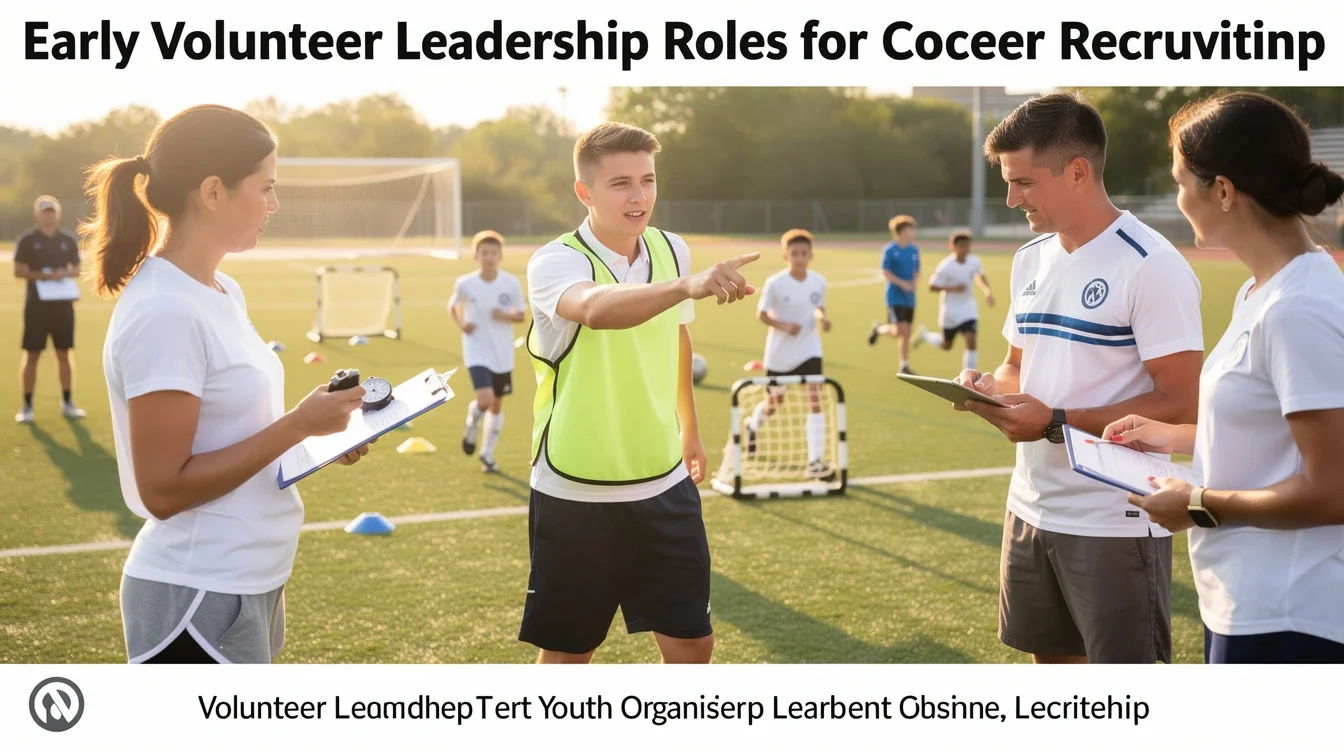
College coaches aren’t just scouting your goals and assists. They’re looking for players who will enrich their programs, not just with skill, but with heart, grit, and service. Volunteer leadership shows coaches that you’re committed to something bigger than yourself. It signals maturity, initiative, and the ability to uplift those around you.
When you take on early leadership roles—like captaining a youth team, organizing a local soccer camp, or mentoring younger players—you’re demonstrating responsibility and vision. Coaches know that players who lead off the field help build a culture of accountability and support within their team.
Pro tip: Start documenting your volunteer experiences now. Keep a journal or notes on what roles you took, what you accomplished, and what you learned. These stories become gold when it’s time for interviews or college essays.
Types of Volunteer Leadership Roles
Leadership doesn’t always mean wearing the captain’s armband. There’s a rich variety of volunteer opportunities that can show your initiative and character—many of which you can take on as early as middle school. Think about helping out at a club’s youth academy, organizing donation drives for soccer gear, or running drills for younger squads.
You might also consider volunteering outside of soccer: tutoring classmates, assisting at community events, or helping run your church’s youth group. Each experience builds essential skills—communication, organization, empathy—that translate directly to the soccer field.
What matters most is consistency and impact. Did you help run a skills clinic every weekend for six months? That’s commitment. Did you organize a fundraiser to support underprivileged kids in your area? That’s initiative and heart. Don’t underestimate the value of these experiences in your athletic and personal growth.
Pro tip: When describing your roles to coaches, focus on the impact you had—how you made others better, not just what you did.
Building Relationships Through Service
The recruiting process is all about relationships—between athletes and coaches, families and programs. Early volunteer leadership gives you authentic stories to share and helps you connect with coaches on a deeper level. When you talk about your service, you’re showing coaches your values, not just listing achievements.
Volunteering also grows your network. Serving in your community connects you with mentors, local clubs, and even college alumni who might be able to offer advice or a recommendation down the line. These relationships are the foundation of a strong, supportive recruiting journey.
Pro tip: If possible, seek out volunteer opportunities that align with your faith, passions, or long-term goals. Authenticity shines through, and coaches can tell when your service is meaningful to you.
Developing Key Attributes Coaches Value
Through early volunteer leadership, you’re building qualities every coach wants: resilience, humility, teamwork, and integrity. Organizing a community clinic might teach you how to motivate a group, adjust on the fly, and handle setbacks. Mentoring a younger player could deepen your patience and empathy.
These attributes don’t just make you a better recruit—they make you a better teammate and leader. When coaches ask about challenges you’ve faced or times you’ve helped others succeed, your volunteer experiences will give you powerful, concrete examples to share.
Pro tip: Reflect on your volunteer work before interviews or calls with coaches. Think about lessons learned and how those lessons have shaped who you are on and off the field.
Showcasing Your Leadership in the Recruiting Process
It’s not enough to just volunteer—you need to communicate your leadership clearly and confidently throughout the recruiting journey. Bring your service into your player resume, personal statement, and conversations with coaches. Share stories of how you led a project or made a difference, highlighting the growth you experienced.
When you visit campuses or talk with coaches, ask questions about team culture, service opportunities, and leadership development. This shows you’re serious about being a contributor, not just a player. It also helps you find programs that align with your values and vision.
Pro tip: Consider creating a short “leadership portfolio” with photos, testimonials, or reflections from your volunteer work. It’s a powerful supplement to your athletic resume.
Creating a Lasting Impact
Early volunteer leadership isn’t just a recruiting tool—it’s a foundation for lifelong growth. The habits and relationships you build now will support you throughout college and beyond. Coaches and programs notice when a player consistently invests in others. More importantly, your service will shape who you become as a person, friend, and leader.
At Empower College Consulting, we’re here to walk alongside you as you pursue your athletic dreams and grow into your fullest self. Embrace every opportunity to lead and serve, on and off the field. Your story is more than stats—it’s about the legacy you leave.
Conclusion
While stats and soccer IQ are essential, it’s early volunteer leadership that often sets recruits apart in the eyes of college coaches. These roles build character, strengthen relationships, and reveal the kind of teammate you’ll be when things get tough. At Empower College Consulting, we believe in your potential to lead, serve, and inspire—starting today. Embrace early leadership, and you’ll not only boost your recruiting journey, but you’ll also lay the groundwork for a life of purpose and impact, wherever the game takes you.