
Choosing the right college soccer program is more than just picking a team—it's about finding the environment where you'll thrive on the field, in the classroom, and in your faith journey. For Christian student-athletes and their families, the decision between NCAA Division III and NAIA programs comes with unique questions. Which path offers better long-term career outcomes? How do faith-based values fit into the student-athlete experience? At Empower College Consulting, we've walked alongside hundreds of young athletes navigating these choices. Let's explore the landscape to gether, so you can make a confident, informed decision for your future.
Understanding NCAA D3 and NAIA
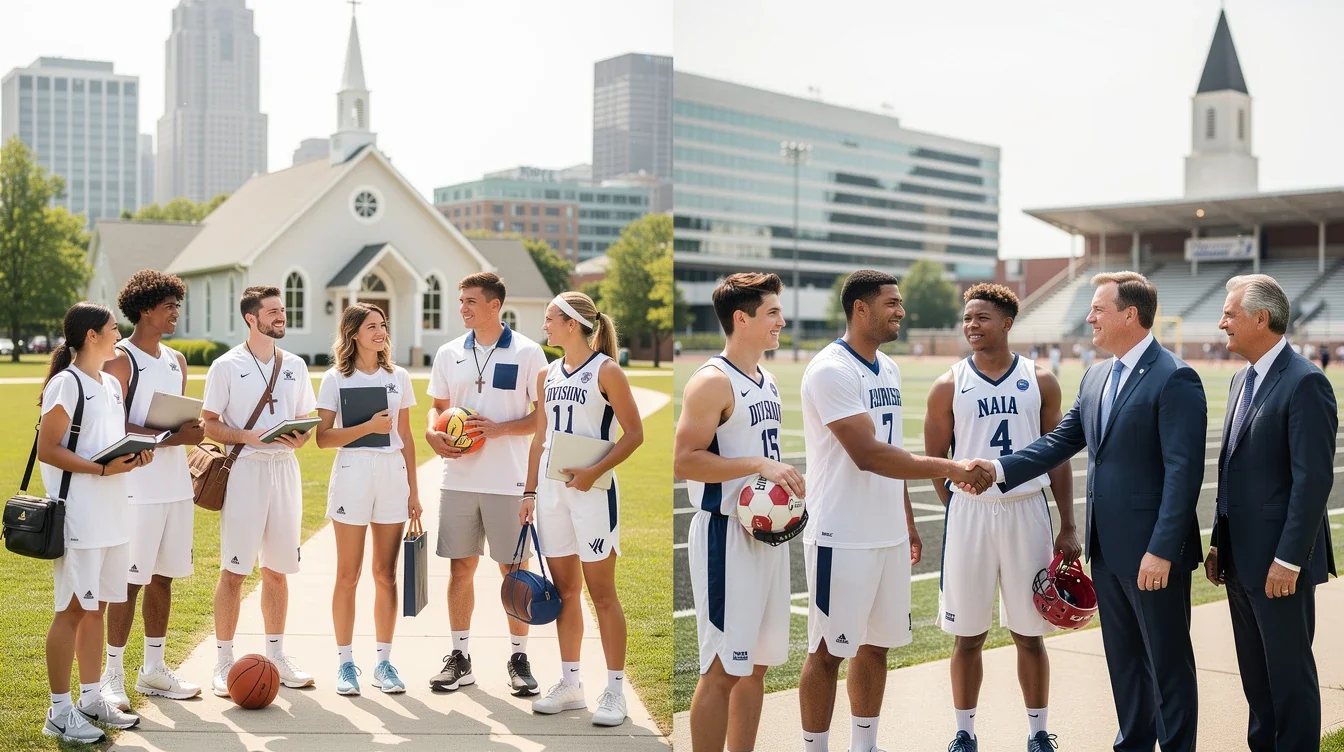
Before diving into career outcomes, it helps to understand what sets NCAA Division III and NAIA apart. NCAA D3 schools are part of the largest division in the NCAA, emphasizing the student part of "student-athlete." There are no athletic scholarships, but the academic and campus experiences are often robust, with a strong focus on personal and leadership development. Many D3 schools are faith-based, providing an environment where Christian values are woven into campus life.
On the other hand, the NAIA (National Association of Intercollegiate Athletics) is a separate governing body overseeing smaller colleges and universities, many of which are also Christian-affiliated. NAIA programs often offer athletic scholarships, which can be significant for families weighing financial factors. You'll find a close-knit community feel and a high level of competition, all within an environment that often supports faith and character development.
Pro tip: As you research schools, look past the labels—each campus has its own culture, resources, and approach to supporting both your soccer and spiritual journey.
Academic and Athletic Balance
One of the most common questions we hear at Empower is: "Will I have time for both my sport and my studies?" NCAA D3 programs are renowned for their balance. Coaches and administrators know you're there to get a degree first. With shorter seasons and fewer out-of-season commitments, you'll have more flexibility to pursue internships, campus organizations, and spiritual life.
NAIA programs also value academics, but the presence of athletic scholarships can raise the stakes. Some NAIA teams train with an intensity similar to NCAA D2 programs, which may mean more time on the field and in the weight room. However, the smaller campus size often means more personalized attention from professors and coaches alike—a real plus for developing your whole self.
For Christian athletes, both pathways offer opportunities to integrate faith and learning. Many schools provide Bible studies, chapel services, and mission trips, encouraging you to grow in character as well as skill.
Pro tip: Ask current players how they juggle their schedules. Their stories can reveal a lot about how a school truly supports student-athlete balance.
Career Outcomes: The Big Picture

When families consider NCAA D3 or NAIA, they're often thinking ahead: What happens after graduation? Will my choice affect my job prospects or grad school options? The good news is that both D3 and NAIA alumni go on to successful careers in business, education, ministry, medicine, law, and more. Because these programs prioritize academics and leadership, you'll graduate with the skills employers value most—discipline, time management, teamwork, and resilience.
NCAA D3 schools often have longstanding relationships with major employers and graduate schools, thanks to their academic reputation. You'll likely find robust career centers, alumni networks, and internship pipelines. NAIA institutions, especially those with strong faith-based missions, frequently offer similar support, but on a more personal scale. Smaller class sizes mean faculty get to know you well, which can lead to powerful recommendations and connections.
The truth is, for most Christian soccer players, your college league won't determine your professional trajectory. What matters is how you leverage opportunities, build relationships, and grow as a person throughout your four years.
Pro tip: Get to know your school's career services office early on. They can connect you with mentors, internships, and job leads—sometimes before you even realize you need them.
Faith and Character Development
For many Christian families, college is as much about spiritual growth as it is about academics or athletics. Both NCAA D3 and NAIA offer environments where you can live out your faith boldly, but the approaches differ. Many D3 colleges are rooted in historic Christian traditions, with campus ministries playing a visible role in student life. Coaches at these schools often see themselves as mentors, encouraging athletes to serve their teammates and communities.
NAIA institutions, especially those explicitly faith-based, may integrate Christian values more directly into the athletic experience. Team prayers, devotionals, and service projects are common. Some NAIA conferences even require statements of faith from member schools, ensuring a shared commitment to Christ-centered education.
No matter which path you choose, you'll find opportunities to explore your faith, ask tough questions, and develop a character that lasts long after your playing days are over. Remember, your growth as a leader and follower of Christ is just as important as your stats on the field.
Pro tip: Don't be shy about asking coaches how faith plays a role on their team. The right coach will welcome your questions and share their vision for holistic development.
Life After Soccer
Let's face it—most college athletes won't go pro. But that's not the end of your soccer journey or your story of impact. NCAA D3 and NAIA alumni often stay connected to the game they love, whether coaching youth teams, leading sports ministry programs, or simply playing in adult leagues. The leadership and relationship skills you develop as a college athlete translate beautifully into careers in teaching, business, medicine, ministry, and beyond.
Christian student-athletes are especially well-positioned to bring a servant-leader mindset into their workplaces and communities. Employers consistently tell us they value the discipline, teamwork, and integrity college athletes bring. And for those who want to combine faith and sport professionally, both D3 and NAIA schools have strong records of sending graduates into sports ministry, nonprofit leadership, and Christian education.
It's also important to consider life beyond your playing years. Both NCAA D3 and NAIA programs encourage you to explore passions outside of soccer—music, service, entrepreneurship, and research. This freedom to grow as a whole person is one of the greatest gifts of choosing the right college fit.
Pro tip: Stay involved with your alumni network after graduation. The connections you make as a student-athlete can open doors for years to come.
Making the Right Choice for You
So, how do you choose between NCAA D3 and NAIA as a Christian student-athlete? Start with honest reflection. Think about your priorities: Is athletic scholarship a must for your family? Do you want a campus where faith is woven into every class, or are you looking for a place to explore your beliefs more independently? Consider the level of soccer, the academic rigor, the campus culture, and the support for holistic development.
Visit campuses, meet with coaches, talk to current players, and pray for wisdom and clarity. The right fit will feel like a place where you're challenged to grow, supported in your faith, and encouraged to pursue your purpose—on and off the field.
At Empower College Consulting, we're here for the long haul. Our commitment goes beyond helping you sign with a college—we want to see you flourish for life. We're passionate about helping families make informed decisions rooted in character, faith, and a vision for the future.
Pro tip: Trust your instincts. Where do you feel seen, valued, and inspired to become your best self? That's where you'll thrive.
Conclusion
The journey to college soccer is about so much more than finding a roster spot. It's about discovering the community that will shape your faith, character, and future career. NCAA D3 and NAIA both offer rich opportunities for Christian student-athletes to excel and grow. With thoughtful research, honest conversations, and prayerful consideration, you'll find the path that's right for you. Remember, your story is just beginning—and we're honored to be part of it.