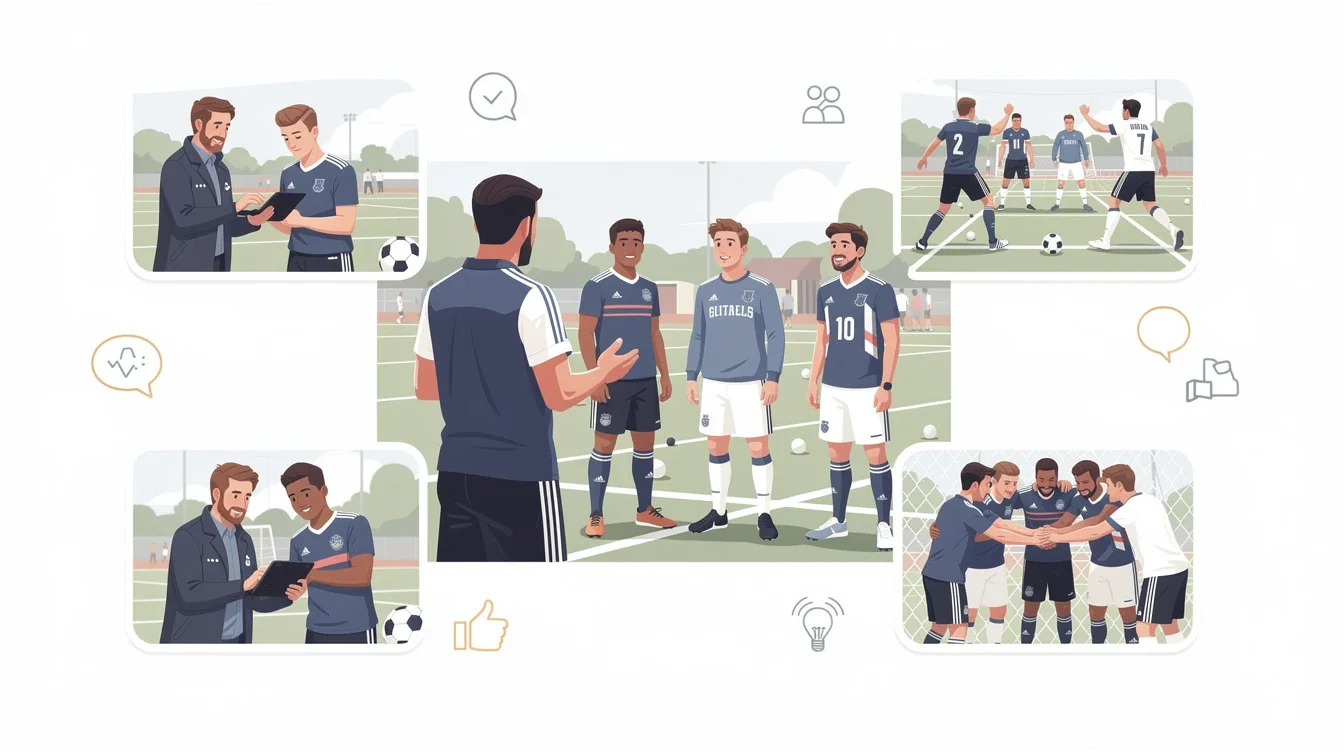

College soccer recruiting isn’t just about stats, highlight reels, or even raw talent. At its core, it’s about relationships—genuine, lasting connections based on trust, respect, and shared goals. As players and families navigate the exciting (and admittedly nerve-wracking) world of college soccer placement, understanding how to build trust with coaches sets the foundation for opportunities that go beyond the field. At Empower College Consulting, we believe that character, faith, and holistic development should stand alongside athletic achievement. Let’s explore the trust-building strategies that can help you shine, both as a player and as a person, throughout your college recruiting journey.
Understanding the Coach’s Perspective
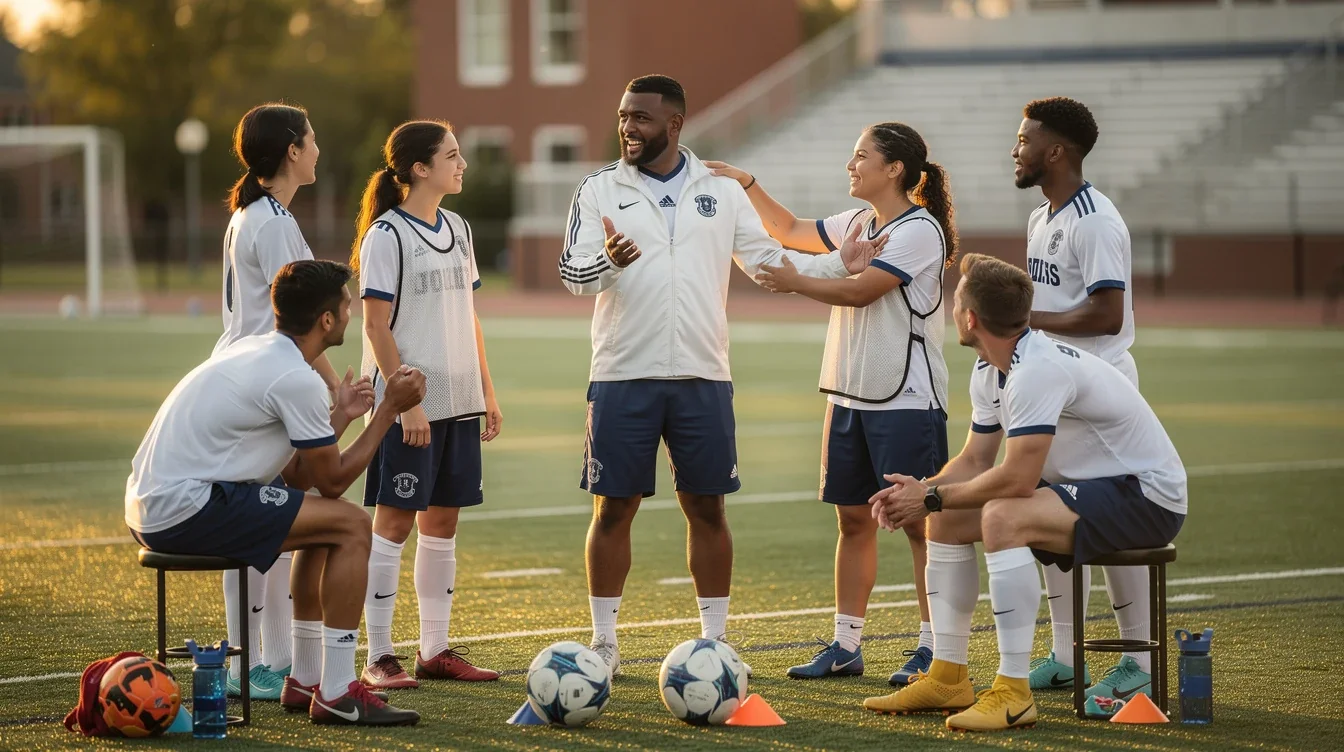
It’s easy to get caught up in your own hopes and dreams, but building trust starts with empathy—seeing the process through a coach’s eyes. College soccer coaches aren’t just looking for the most skilled players; they’re searching for committed, coachable athletes who will thrive in their program’s culture. Coaches invest countless hours into recruiting because they’re building a team, a family, and a legacy. They want to know you’ll fit in, contribute positively, and represent the college with pride.
When you engage with coaches, remember that they’re assessing more than just your technical ability. They’re evaluating your work ethic, attitude, and ability to handle adversity. They’re also observing your communication skills, your accountability, and your willingness to learn. Showing genuine respect for their time and their team’s values goes a long way.
Pro tip: Start every interaction by listening first. Ask questions about the coach’s vision for the team, the program’s culture, and what qualities they value most in their players. This demonstrates humility and a desire to grow.
Honest Communication: The Trust Accelerator
Transparency is the bedrock of any trusting relationship, and that’s especially true in college soccer recruiting. Be upfront about your academic goals, athletic aspirations, and even your limitations. If you’re serious about a program, communicate that clearly. If you’re still exploring options, let coaches know where you stand. This honesty helps coaches plan their recruiting strategy and fosters mutual respect.
Don’t be afraid to share setbacks or challenges. Coaches appreciate players who can admit mistakes, learn from them, and come back stronger. If you’re nursing an injury or struggling with academics, communicate openly rather than trying to hide it. This builds credibility and reassures coaches that you’ll be a reliable teammate.
Remember, timely communication is just as important as honest communication. Respond promptly to emails, texts, or calls. Follow up after visits or conversations to express gratitude and reiterate your interest (if you have it). These small gestures show maturity and attentiveness.
Pro tip: Keep a simple, organized system (like a notebook or spreadsheet) to track your communications with coaches. Note dates, topics discussed, and any next steps. This helps ensure you follow through—and that you never leave a coach hanging.
Consistency On and Off the Field

Trust isn’t built overnight; it’s earned through consistency. Coaches want to see that your actions match your words, both as an athlete and as a person. Consistency means showing up with the same effort and attitude, whether you’re playing in a high-stakes tournament or a routine practice. It’s about being reliable in your commitments—responding when you say you will, showing up prepared, and maintaining your grades.
Your online presence matters, too. Coaches often check social media to gauge a player’s character and judgment. Consistently positive, respectful behavior online reinforces the trust you’re working to build in person.
But consistency doesn’t mean perfection. Everyone has off days or makes mistakes. The key is how you respond. Own your missteps, apologize when necessary, and commit to improvement. Coaches respect players who are honest about their struggles and who demonstrate resilience.
Pro tip: When you make a commitment—big or small—to a coach, write it down and follow through. Even something as simple as sending a promised highlight video or updating on your season progress shows you’re dependable.
Character Counts: The Heart of Trust
While talent might catch a coach’s attention, character is what keeps it. Coaches want players who contribute positively to team culture, support their teammates, and demonstrate integrity—on and off the field. Building trust means living out your values, even when no one’s watching.
This goes beyond soccer. Get involved in your school or community, volunteer, and seek out leadership opportunities. Share these experiences with coaches during your conversations. It signals that you’re invested in personal growth and that you understand the bigger picture.
At Empower College Consulting, we often remind families that faith and character are not just “bonus points.” They’re central to the college recruiting process and to a fulfilling college experience. Coaches are looking for players who will represent their program with humility, courage, and a commitment to something greater than themselves.
Pro tip: When a coach asks about a challenging situation, don’t just describe what happened—share what you learned. Growth-minded athletes stand out as trustworthy, mature, and ready for the next level.
Building Relationships Beyond Recruitment
Sometimes, players and families get so focused on “getting recruited” that they forget about the human side of the process. The best trust-building happens when you treat coaches not just as gatekeepers, but as mentors and partners in your journey. Invest time in getting to know coaches beyond their role—ask about their coaching philosophy, their own playing days, or their favorite team traditions. Shared stories and authentic conversations deepen the relationship and build trust that lasts.
Remember, too, that the recruiting process is a two-way street. You’re evaluating coaches and programs just as they’re evaluating you. Be honest about your questions, your concerns, and your hopes for college life. Trust is mutual, and a coach who welcomes your curiosity is likely to be a better long-term fit.
As you move through the process, stay in touch even with coaches or programs that aren’t the right fit. A simple thank-you note or update keeps relationships alive and shows maturity and class—qualities coaches remember.
Pro tip: Keep a running list of thoughtful questions to ask coaches—not just about soccer, but about academics, campus life, and team values. This shows genuine interest and helps you make more informed decisions.
Family Involvement: Support Without Overstepping
Parents and families play a critical role in the recruiting journey, but building trust with coaches means finding the right balance. Coaches want to see that players are mature, independent, and ready to take ownership of their future. Families should offer support, encouragement, and guidance, but allow the player to lead communication and decision-making.
When it comes time for campus visits or meetings, parents should be present and engaged, but let the athlete speak for themselves. Coaches appreciate families who are respectful, realistic, and positive—especially when tough conversations arise.
Trust also grows when families are honest about their priorities, whether that’s financial aid, academic support, or faith-based community. Open dialogue helps coaches understand your family’s needs and strengthens the partnership.
Pro tip: Before important recruiting calls or visits, role-play questions and answers as a family. This helps athletes gain confidence and ensures everyone is on the same page.
Conclusion
Trust is the currency of college soccer recruiting. It’s what turns conversations into commitments, and what transforms a hopeful prospect into a valued member of a college team. At Empower College Consulting, we believe that trust isn’t just about getting a scholarship or a roster spot—it’s about building relationships that nurture your character, your faith, and your future. By understanding the coach’s perspective, communicating honestly, demonstrating consistency, living out your values, building authentic relationships, and involving your family wisely, you’ll not only earn coaches’ trust, but honor your own journey as an athlete and young adult. The college placement process can be daunting, but with trust as your foundation, you’ll be empowered to make choices that matter—on the field and beyond.