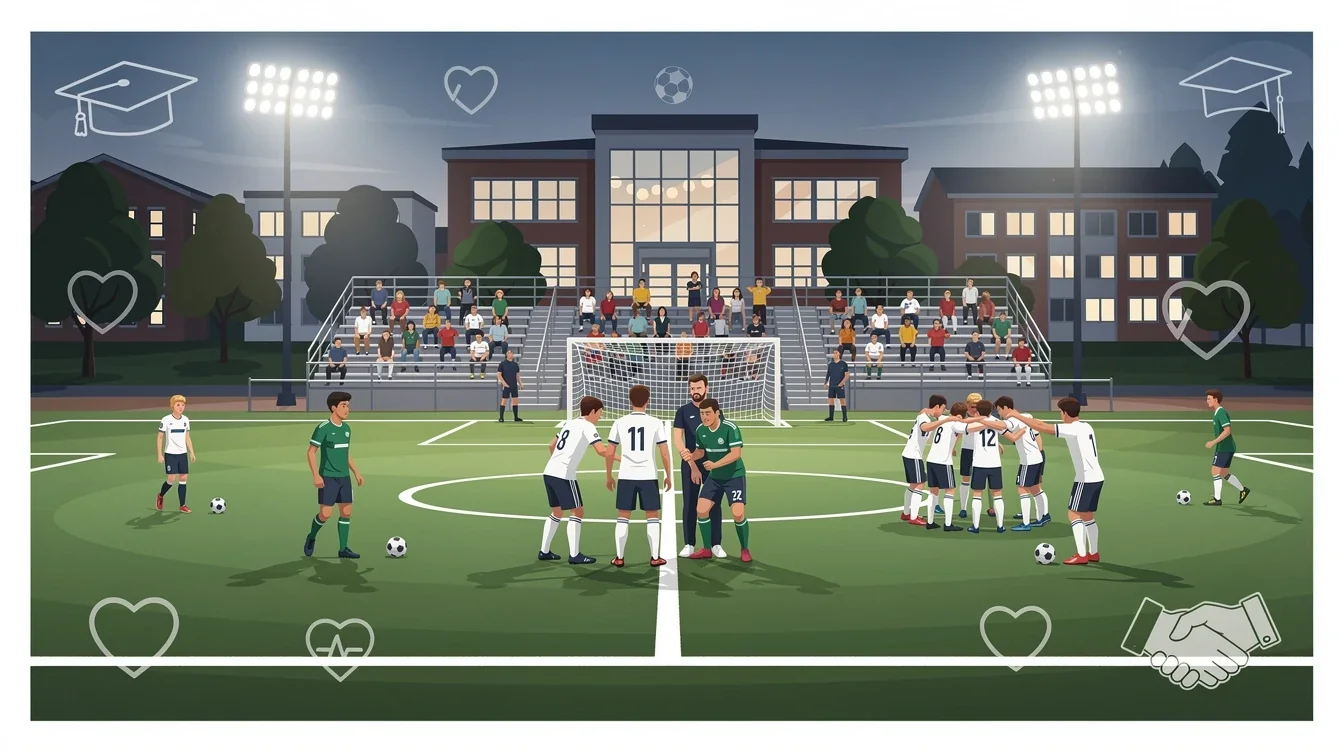

If you're a high school soccer player—or a parent—dreaming about the next step, you probably picture packed stadiums and nationally ranked teams. But what if the best fit for your success, on and off the field, isn't found at a big-name university? In 2026 and beyond, small college soccer programs are proving to be hidden gems. At Empower College Consulting, we've seen first-hand how these programs provide exceptional opportunities for growth, both as players and as people. Let’s explore why taking a closer look at small college soccer could be the smartest move you make.
Individual Attention and Coaching
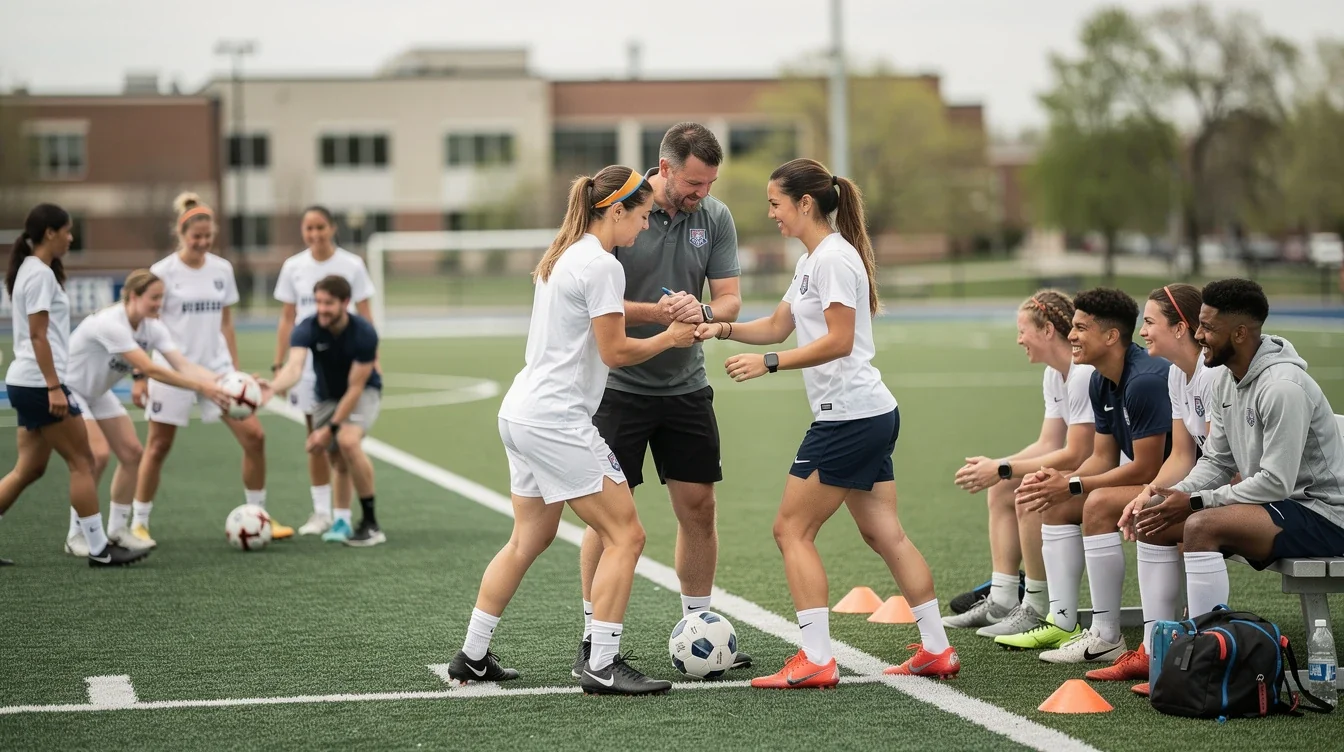
One of the standout advantages of small college soccer programs is the personalized attention athletes receive. With smaller roster sizes and tighter-knit teams, coaches at these schools often have more time and energy to invest in each player's development. It’s not uncommon for a small college coach to know every player’s strengths, struggles, and even their family members’ names. This isn’t just about soccer—it’s about building relationships and fostering growth on a human level.
Athletes in these settings often benefit from tailored feedback and one-on-one skill sessions that might be hard to come by at larger institutions. The close coach-player connection means you’re more likely to have a mentor dedicated to your long-term improvement, both as a player and as a young adult navigating college life.
Pro tip: Don’t underestimate the value of a coach who genuinely invests in your holistic development. Ask about their approach to mentorship during your college visits.
More Playing Time, More Experience
At big schools, cracking the starting lineup can be a daunting challenge—especially for underclassmen. In contrast, small college soccer programs offer a real chance for meaningful minutes right from your freshman year. This isn’t just good for your confidence; it’s vital for your growth as a player. There’s no substitute for the lessons learned on game day, and small programs often give you more opportunities to hone your skills under pressure.
More playing time also means you’ll learn how to lead, adapt, and build resilience in ways that riding the bench simply can’t provide. You’ll face different opponents, situations, and even setbacks, all of which shape you into a stronger, more well-rounded athlete.
Pro tip: Be sure to ask coaches about their program’s philosophy on player development and opportunities for freshmen to contribute.
Academic Flexibility and Support
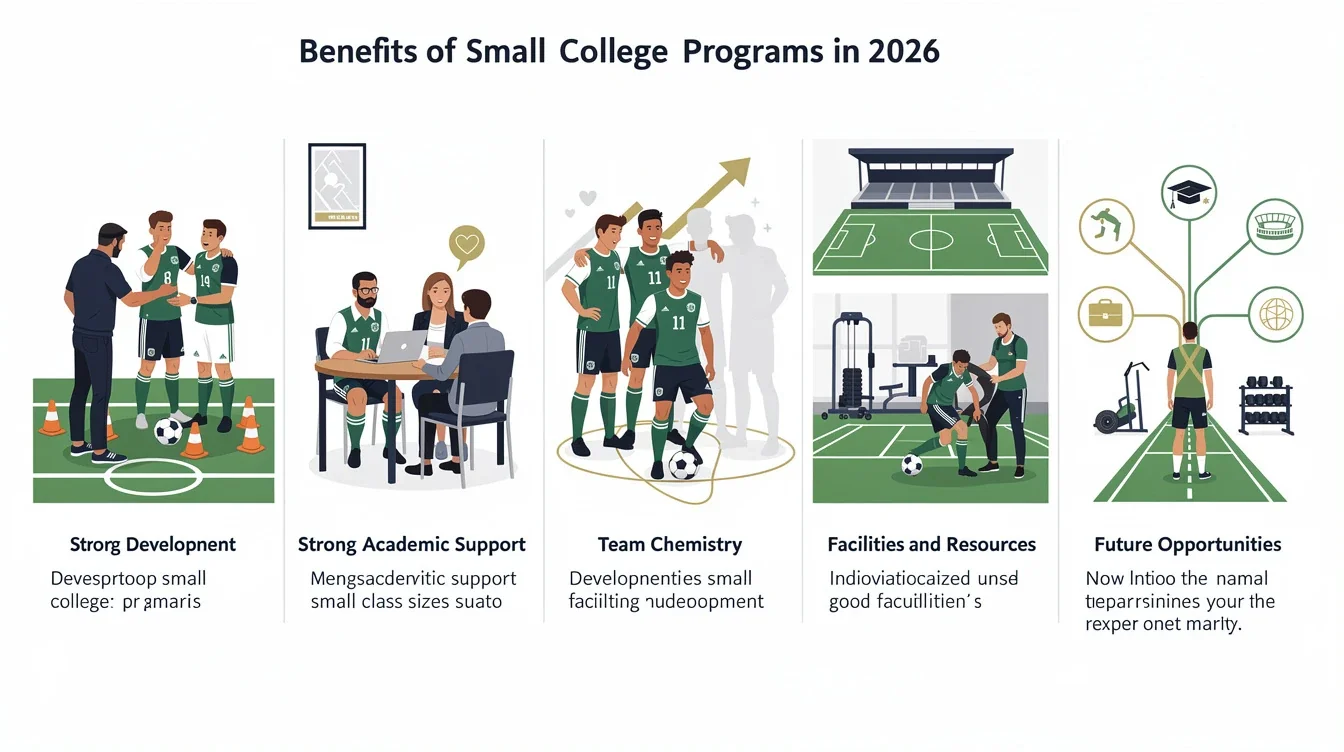
Success in college soccer isn’t just about the game—it’s about balancing your academics and your athletic goals. Small colleges frequently offer a supportive environment where professors and staff are invested in your success beyond the field. The smaller class sizes and accessible faculty can make it easier to manage your coursework, seek help when you need it, and explore interests outside of soccer.
Many small schools understand the demands placed on student-athletes and provide dedicated resources to help you thrive academically. From flexible class schedules to tutoring and study halls, you’ll find a community that wants to see you succeed in all areas of your life.
Pro tip: When touring campuses, talk to current student-athletes about how they balance sports and academics—it’s a great way to get an authentic perspective.
Community, Character, and Leadership
One of the most powerful but often overlooked benefits of small college soccer programs is the sense of community they foster. On a smaller campus, you won’t just be another face in the crowd. You’ll have the chance to build meaningful relationships with teammates, classmates, coaches, and professors. This closeness breeds a sense of responsibility and leadership that extends far beyond the soccer field.
In these environments, athletes are often called upon to lead, serve, and support their peers. Whether it’s volunteering in the community, mentoring younger players, or stepping up in student organizations, small school athletes have room to grow into well-rounded leaders. Many small colleges also emphasize character and, in some cases, faith, helping you grow not just as an athlete, but as a whole person.
Pro tip: Look for programs that align with your values and offer opportunities for service, leadership, and personal growth.
Pathways to Continue Playing
While the NCAA’s top Division I programs get the most attention, it’s important to remember that small colleges—whether NCAA Division II or III, NAIA, or NJCAA—offer legitimate pathways to keep playing the game you love. Many athletes who might be overlooked by larger schools find small college soccer to be the perfect stage to showcase their talents, continue developing, and even prepare for opportunities beyond college.
For some, this means moving into coaching, sports management, or other careers tied to athletics. For others, it’s about building a lifelong love for the game and the relationships that come with it. Small college programs also make it easier to balance internships, study abroad, or even dual-sport participation, keeping more doors open for your future.
Pro tip: Don’t let labels like “Division III” or “NAIA” fool you. The competition is real, and the experience can be just as rewarding—sometimes even more so—than at bigger schools.
Long-Term Mentorship and Holistic Growth
At Empower College Consulting, we believe that choosing a college soccer program is about more than just where you’ll play—it’s about who you’ll become. Small college programs often excel at providing the kind of long-term mentorship and support that set you up for success far beyond graduation. Coaches and staff at these schools are invested in your character, your academic journey, and your faith, if that’s important to you.
This holistic approach means you won’t just leave college with memories of games won and lost. You’ll leave with relationships, life lessons, and a network of mentors who care about your future. Time and again, we’ve seen our student-athletes thrive in these environments, becoming not just better players, but better people.
Pro tip: When weighing your options, consider who you want in your corner for the next four years—and beyond.
Conclusion
In the college soccer world, bigger isn’t always better. Small college programs offer a unique blend of athletic opportunity, academic support, and personal growth that can be life-changing. If you’re ready to be seen, challenged, and supported as both an athlete and a person, don’t overlook these programs. At Empower College Consulting, we’re here to help you navigate the journey, find your best fit, and reach your goals—on and off the field. The path to your future might just be smaller, closer, and more empowering than you ever imagined.