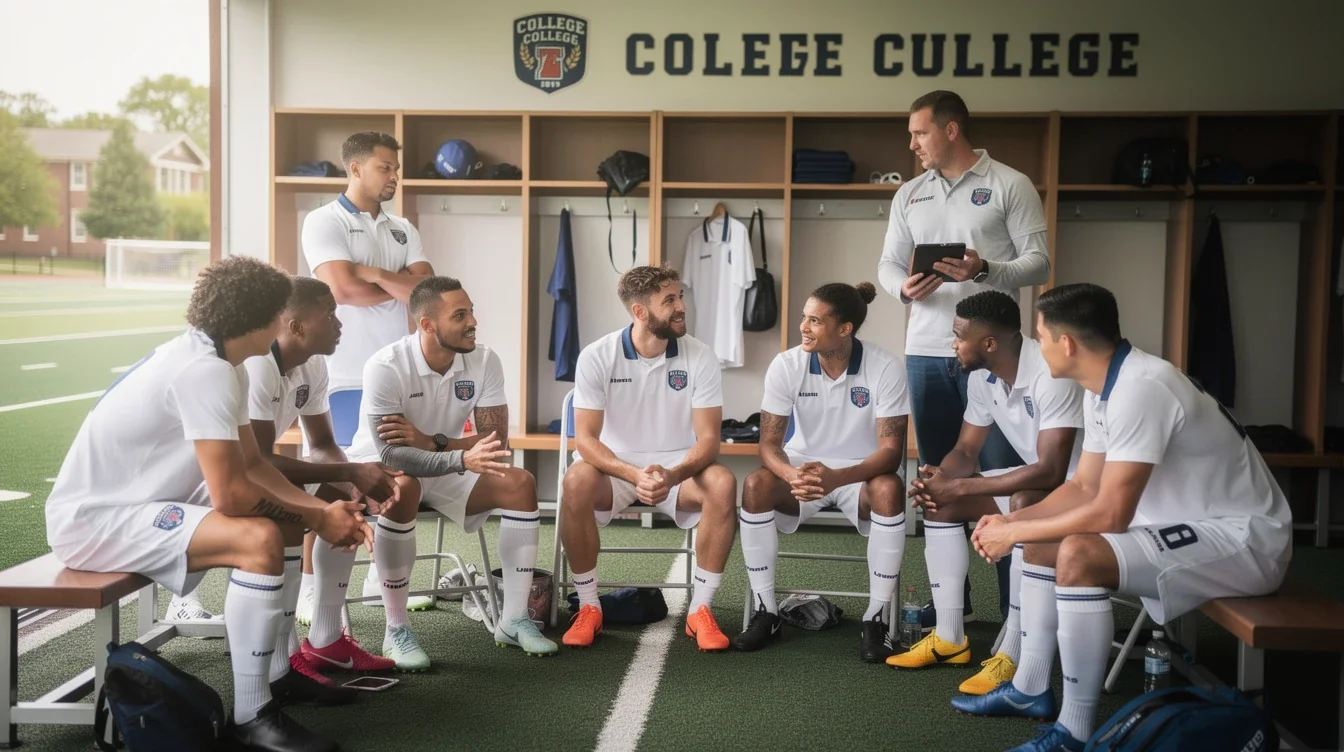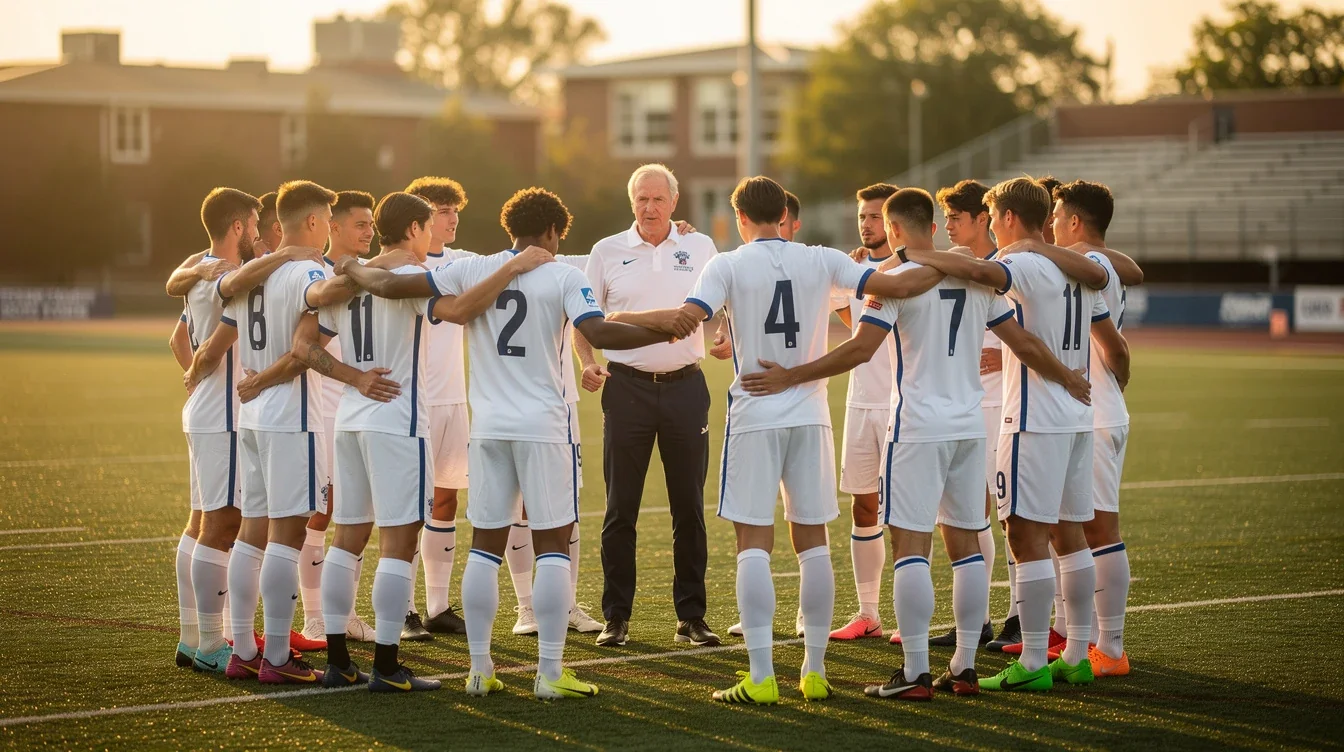

Choosing the right college soccer program is about so much more than just stats, rankings, or facilities. For student-athletes and their families, the heart of the experience lies in the team culture—a unique blend of values, relationships, and daily habits that shape not just the player, but the person. At Empower College Consulting, we've seen time and time again how a great fit can inspire growth, joy, and purpose, while a poor fit can leave a talented athlete feeling isolated and lost. That's why we're passionate about helping families look beyond the surface and discover what truly matters: the culture that will shape your next four years, and beyond.
Understanding Team Culture

When we talk about "team culture," we're referring to the unwritten rules, shared beliefs, and everyday interactions that define a group. It's the way teammates treat each other on and off the field, the standards coaches hold, and the spirit that runs through everything from training sessions to team meals. Every team has a culture—some intentional, others accidental—and it directly impacts your happiness, development, and success.
You might wonder why team culture deserves so much attention. Here's the honest truth: even the most talented players can struggle in an environment where they don't feel seen, valued, or supported. A strong culture lifts everyone; a toxic one can undermine even the best intentions. So, as you evaluate programs, make it a priority to understand what life is really like inside each team.
Pro tip: Start paying attention to how players talk about their teammates and coaches during campus visits or recruiting calls. Their words—and tone—often reveal more than any official brochure.
What Makes a Healthy Team Culture?
A healthy soccer team culture is built on trust, accountability, and shared purpose. These aren't just buzzwords; they're the foundation of teams where players thrive and grow as both athletes and people. In our work with families, we look for programs where players are encouraged to support each other, where healthy competition is paired with genuine care, and where coaches invest in character as much as skill.
Look for signs like:
- Players celebrating each other's successes, not just their own
- Open communication between coaches and athletes
- Coaches who know their players as people, not just jersey numbers
- Clear expectations around academics, behavior, and faith (if important to you)
- A sense of joy and excitement at practices and games
A positive team culture doesn't mean there are never conflicts or hard days. Instead, it means those challenges are faced to gether, with respect and honesty. The best programs nurture not just great players, but resilient, compassionate young adults.
Pro tip: Ask current players how the team handles mistakes, losses, or disagreements. Their answers will tell you a lot about the culture's strength.
Questions to Ask Coaches and Players

One of the best ways to evaluate team culture is through honest, open conversations. During campus visits, phone calls, or recruiting events, don't be afraid to dig deeper than the standard questions about playing time or scholarship amounts. You're looking for insight into what daily life is really like.
Consider asking coaches:
- How do you define your team's culture?
- What qualities do you value most in your athletes?
- How do you support player growth off the field?
- How do you handle conflicts or disciplinary issues?
- What role, if any, does faith play in your program?
When talking with current players, try questions like:
- What's your favorite thing about being part of this team?
- How do teammates support each other during tough times?
- What kind of relationship do you have with the coaching staff?
- How does the team balance soccer, academics, and life?
- Is there anything you wish you'd known before joining?
Remember, you're not just interviewing them—they're also evaluating what kind of teammate you'll be. Approach these conversations with humility and curiosity, and you'll learn a lot about whether the fit feels right.
Pro tip: Listen as much to what isn't said as what is. If players dodge questions, seem uncomfortable, or only talk about wins and stats, that may be a warning sign.
Observing Team Dynamics in Real Life
Nothing replaces the insight you gain from seeing a team in action. Whenever possible, attend a practice, game, or team event. Watch how players interact before, during, and after the main event. Take note of body language, the energy in the group, and how coaches communicate with both starters and reserves.
Pay attention to:
- Whether players encourage each other or just focus on themselves
- How mistakes are handled—by both teammates and coaches
- The presence of cliques or exclusion within the group
- Coaches' body language: are they approachable, or distant?
- How the team responds to adversity (a tough loss, a bad call, etc.)
You may also want to observe how the team includes (or doesn't include) freshmen, transfers, or injured players. A strong culture makes everyone feel valued, not just the top performers.
Pro tip: If you can't visit in person, watch team livestreams or social media. While these don't show everything, you can still spot patterns in how players and staff interact.
Evaluating Alignment with Your Values
Every family brings its own hopes, beliefs, and priorities to the college search. For some, faith and character development are as important as playing time or championships. For others, academic flexibility or community engagement matter most. The key is to find a program where the team's culture aligns with your core values.
Ask yourself:
- Does the program's approach to discipline, communication, and conflict resolution feel right for us?
- Are players encouraged to pursue other interests, like volunteering, campus ministry, or leadership opportunities?
- How does the team handle challenges in academics or personal life?
- Are there role models—coaches or older players—who embody the kind of person you'd like to become?
Remember, a "fit" isn't just about the school or the soccer—it’s about the whole environment. Your college years are a time to grow, explore, and strengthen your sense of self. The right team culture should support you in all those areas.
Pro tip: Trust your intuition. If something feels off, even if you can't put your finger on it, it's worth pausing and digging deeper.
The Role of Long-Term Development
At Empower College Consulting, we believe that college soccer should be a launching pad for life, not just a stepping stone to the next athletic achievement. The best team cultures are those that care just as much about who you'll be at 30 as what you achieve at 20. That means fostering independence, resilience, faith, and leadership—not just technical skill.
Ask about:
- Alumni involvement: Do former players stay connected with the program? Are they proud of their experience?
- Career support: Does the coaching staff help players network and plan for life after soccer?
- Personal growth opportunities: Are there workshops, retreats, or mentorship programs outside of soccer?
- Mental health resources: Is there support for balancing stress, setbacks, and transitions?
When you find a program that invests in the whole person, you'll set yourself up for success on the field, in the classroom, and long after graduation.
Pro tip: Ask your potential coaches or mentors how they define success. Their answer will reveal a lot about what they truly value.
Conclusion
Evaluating college soccer team culture takes time, patience, and a willingness to look beyond the obvious. It's about asking honest questions, observing real interactions, and listening to your own instincts. At Empower College Consulting, we believe that a college soccer experience should be transformative—shaping not just your skills, but your character, faith, and future. As you navigate your recruiting journey, remember: the right culture will nurture your gifts, challenge you to grow, and leave you empowered for life. Choose wisely, and you'll find more than a team—you'll find a home.