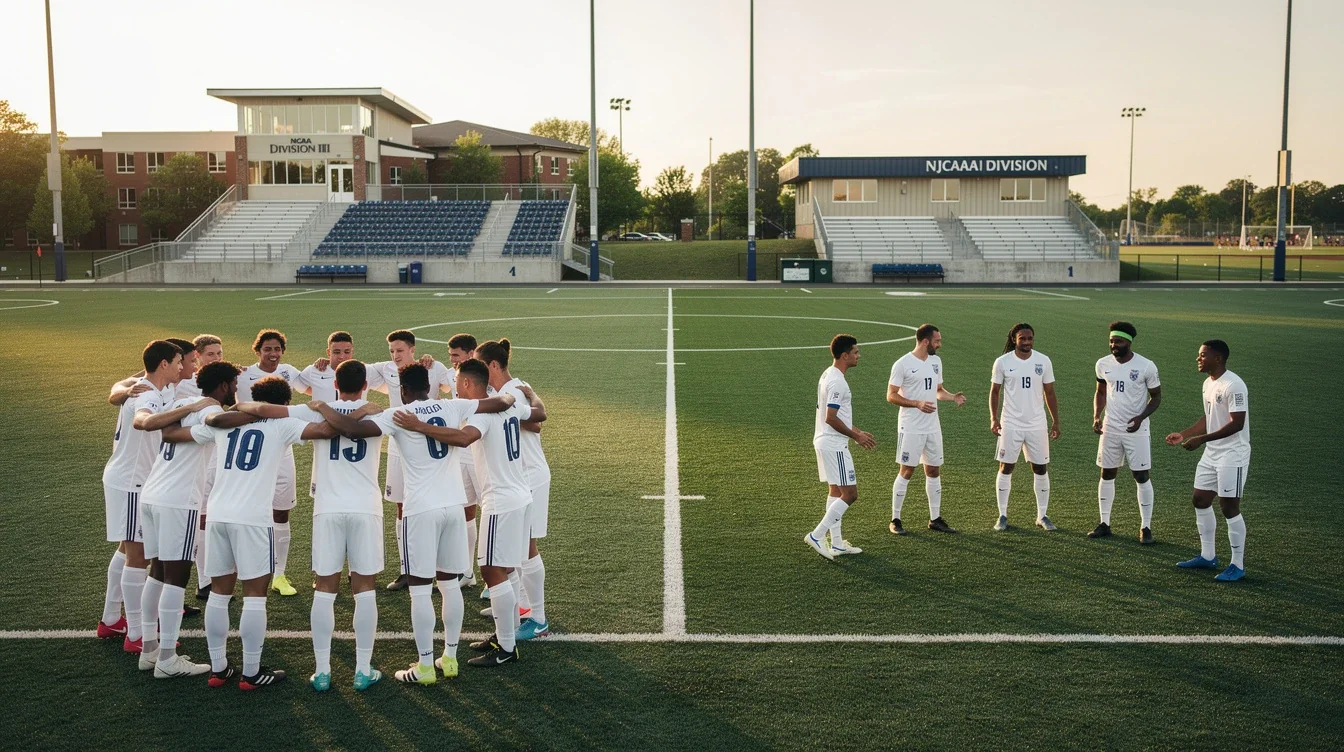

Choosing the right college soccer program is one of the most pivotal decisions you'll make as a student-athlete. For many, the choice comes down to nuanced differences between NCAA Division III (D3) and NJCAA (National Junior College Athletic Association) opportunities. At Empower College Consulting, we've walked alongside countless families facing this crossroads. We know it isn't just about where you play—it's about setting yourself up for lifelong growth, both on and off the field. Let's dive into the real-world career impact of these two pathways and how you can make the best choice for your future.
Understanding NCAA D3 and NJCAA Soccer
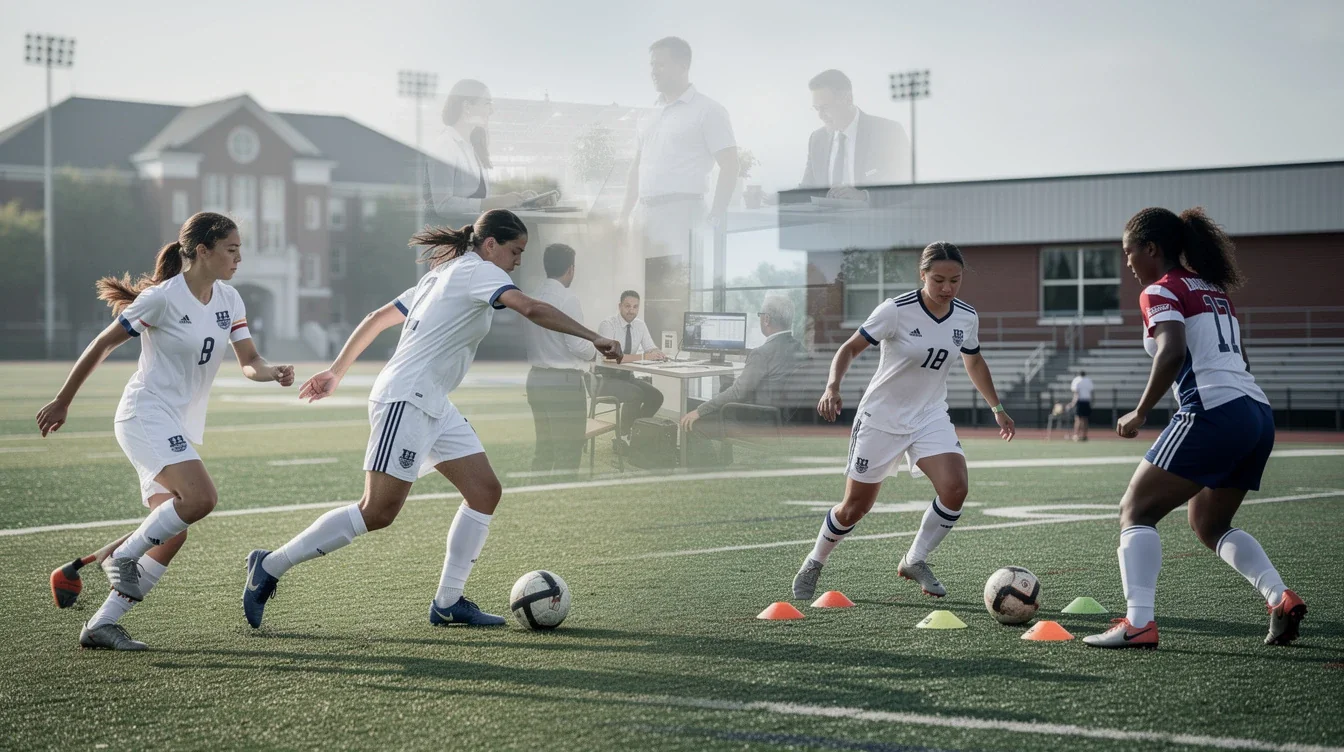
Before comparing career outcomes, it's important to understand what makes NCAA D3 and NJCAA soccer unique. NCAA D3 schools are typically private or small public colleges with a strong emphasis on academics and holistic student development. They don't offer athletic scholarships, but they do provide a competitive soccer environment paired with robust academic support. Student-athletes here are often driven by passion for the game, their education, and their broader personal development.
The NJCAA, on the other hand, governs two-year colleges—often called junior or community colleges. These programs can be stepping-stones for athletes looking to develop their skills, improve their academics, or gain exposure before transferring to a four-year school. Unlike D3, NJCAA programs may offer athletic scholarships, making them attractive for those seeking financial assistance.
Pro tip: Think about your long-term goals. If you're still developing as a player or student, the NJCAA can be a launchpad. If you crave academic rigor and a balanced lifestyle, D3 might be your best fit.
Athletic Development and Playing Opportunities
One of the most significant factors influencing your career is the kind of athletic development each path offers. At the NJCAA level, you'll often have the chance to play immediately, sometimes even as a freshman. The level of competition varies, but top NJCAA teams are highly competitive, often matching or exceeding lower-level four-year programs. The shorter length of a two-year program means intensity is high—coaches want to help you develop quickly so you can move on to bigger stages.
In contrast, NCAA D3 programs emphasize a longer-term approach. Since D3 schools don't offer athletic scholarships, rosters are typically filled with players who are truly passionate about the sport. Competition for playing time can be fierce, and you'll be challenged to manage your athletic commitments alongside academic demands. Some D3 programs compete at a very high level, with structured training and a commitment to excellence that rivals bigger schools.
Pro tip: If you're eager for immediate playing time and rapid development, NJCAA might offer more minutes and responsibility early on. If you value steady growth, mentorship, and a four-year team culture, D3 can provide a richer, more sustained development experience.
Academic Pathways and Flexibility
Your college years are about more than soccer—they're about preparing for a lifetime of learning and leadership. NCAA D3 schools are known for their academic rigor and commitment to student-athlete success. You'll be surrounded by peers who care as much about their studies as their sport, and you'll have access to a broad range of academic programs and resources. D3 programs are particularly supportive of students interested in double majors, internships, and study abroad experiences.
NJCAA institutions are equally committed to your academic journey, but their focus is often on helping students build a strong foundation for transfer to a four-year college. If your grades or test scores need improvement, or if you want to explore your academic interests before committing to a major, the NJCAA can be an ideal environment. Many NJCAA athletes successfully transfer to NCAA or NAIA schools, bringing not just their soccer skills but a proven track record of college-level coursework.
Pro tip: If you're unsure of your academic direction or want a second chance to boost your GPA, NJCAA is a great place to start. If you’re ready to dive into a challenging course of study from day one, D3 programs offer depth and diversity in academics.
Scholarship Opportunities and Financial Considerations
Finances play a big role in your college decision. NCAA D3 schools do not offer athletic scholarships, but they often provide generous academic and need-based aid. D3 institutions are invested in making education affordable for talented students, particularly those who excel in the classroom and demonstrate leadership potential.
NJCAA colleges, on the other hand, can offer athletic scholarships, which might cover tuition, fees, and sometimes even room and board. For families for whom cost is a concern, this can be a decisive factor. Additionally, the lower overall cost of community colleges means you can save money during your first two years before transferring to a four-year school.
Pro tip: Don't rule out D3 schools because of the sticker price—most families pay far less than published tuition. Work closely with admissions and financial aid offices to understand your real cost at each school.
Transfer Pathways and Long-Term Career Impact
A critical aspect of the NJCAA experience is the transfer process. Many athletes use their two years at a junior college to earn an associate’s degree and then transfer to an NCAA or NAIA program. This can be a strategic move for students who want more time to develop athletically, academically, or personally before committing to a four-year school. Transfer success depends on your performance in the classroom and on the field, as well as your ability to build relationships with coaches at potential transfer schools.
NCAA D3 athletes, meanwhile, benefit from the continuity of a four-year experience. You’ll have the chance to build lasting relationships with teammates and coaches, take on leadership roles, and develop a deep connection to your campus community. This continuity can be invaluable for personal development, networking, and long-term career planning. Many D3 athletes go on to successful careers in business, education, medicine, and other fields, drawing on the discipline, time management, and teamwork they've honed through sport.
Pro tip: If you see yourself transferring up to a higher division or different school, choose an NJCAA with a strong track record of placing athletes in four-year programs. If you value stability and community, a D3 program might be a better fit.
Holistic Growth: Beyond Soccer
At Empower College Consulting, we believe your college soccer journey should nurture your character, faith, and sense of purpose. Both NCAA D3 and NJCAA programs offer opportunities to grow as a person—not just as a player. D3 schools often incorporate service, leadership, and spiritual development into campus life, helping you prepare for life’s challenges with resilience and integrity. You'll be surrounded by mentors and peers who value holistic growth as much as athletic achievement.
NJCAA programs, while sometimes more transient, can be transformative in their own right. The challenges of adapting to a new environment, balancing responsibilities, and preparing for transfer require grit and determination. Many NJCAA coaches are deeply invested in their players' futures, guiding them through the ups and downs of college life and helping them lay a foundation for lifelong success.
Pro tip: Ask coaches and current players about opportunities for leadership, service, and community involvement. The best programs see you as a whole person, not just a soccer player.
Conclusion
Your journey as a college soccer player is about so much more than the name on your jersey. Whether you choose NCAA D3 or NJCAA, your experience will shape your character, faith, and future in profound ways. As you weigh your options, remember that every path has its own advantages—and its own unique challenges. The best choice is the one that aligns with your goals, values, and dreams.
At Empower College Consulting, we're committed to walking this road with you, helping you find the program where you'll thrive as a student, athlete, and leader. If you approach your decision with honesty, curiosity, and an open heart, you'll find the right place to grow—both on the field and far beyond it.